Goodyear issues safety guidelines ahead of monsoon season
Submitted photo/Ross D. Franklin, AP Photo
State officials urge residents to prepare for extreme heat, flash floods and dust storms starting in mid-June.
Posted
With the Arizona monsoon season officially beginning next month, the Goodyear Fire Department and state emergency agencies are urging residents to familiarize themselves with weather alerts and safety protocols before storms arrive in the Valley.
The state’s monsoon season runs annually from June 15 through Sept. 30. Officials suggested knowing the distinction between weather alerts: a monsoon watch means conditions are favorable for a storm to develop, while a monsoon warning means a severe storm is imminent or actively occurring.
The combination of extreme summer heat and increased humidity creates conditions for severe hazards, including lightning, high winds, dust storms, and flash flooding. Arizona emergency officials are encouraging residents to prepare by creating a family communication plan and building a 72-hour emergency kit with nonperishable food, water, prescriptions, and a weather radio.
Public safety agencies highlighted several key survival strategies for seasonal hazards:
Flash Flooding: Heavy rains can trigger rapid flooding. Officials warn that just six inches of moving water can knock down an adult, and 18 inches can carry away most vehicles. Drivers are instructed to avoid low-water crossings and never bypass road barricades.
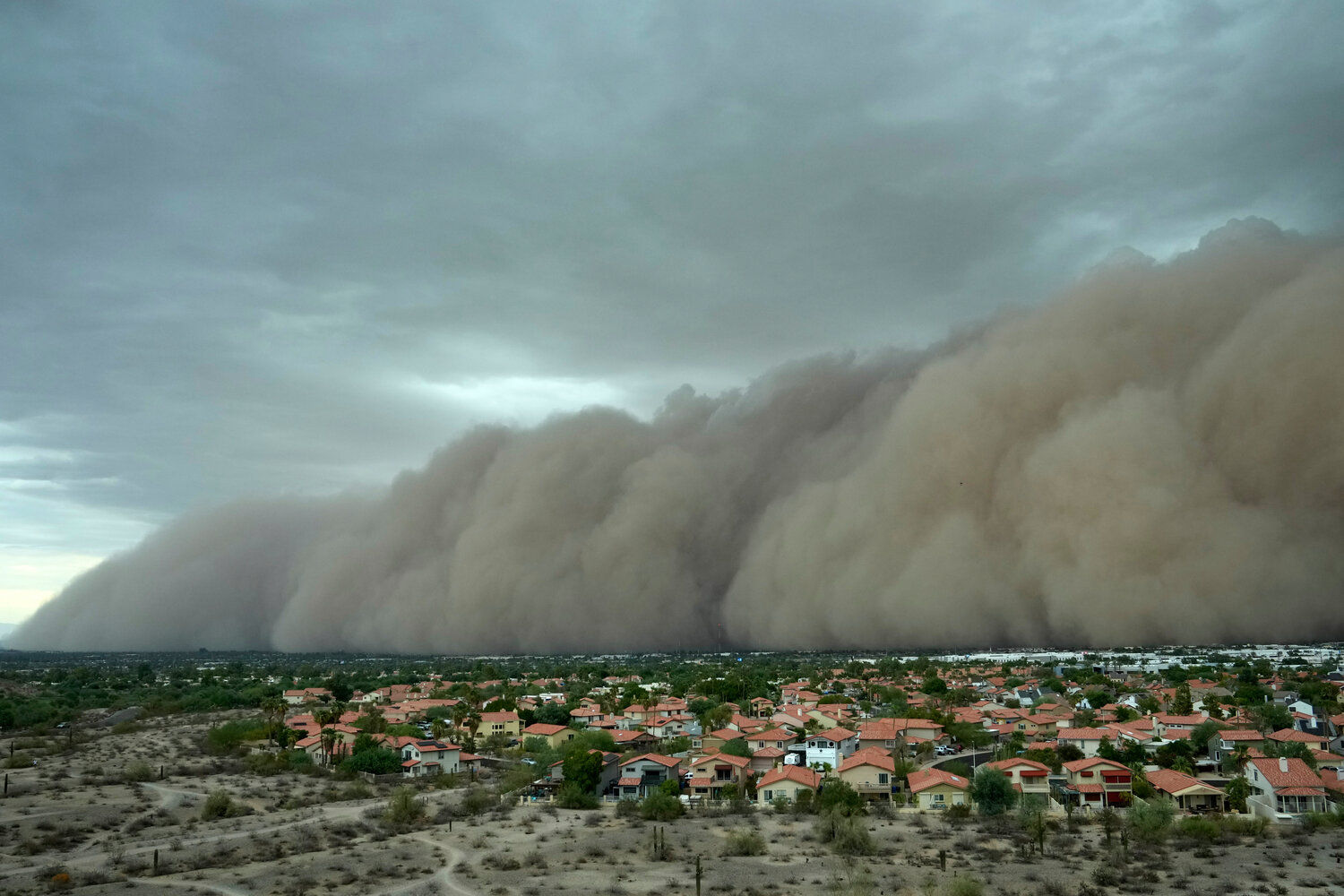
Dust Storms: High winds can reduce driving visibility to near zero. Drivers caught in a dust storm should pull completely off the roadway, place the vehicle in park, turn off all vehicle lights, and take their foot off the brake pedal to prevent other vehicles from following them.
Lightning: Because lightning can strike from 10 miles away, officials advise individuals to seek indoor shelter as soon as thunder is audible and remain inside for at least 30 minutes after the storm passes.
Extreme summer heat also poses a life-threatening risk during these months, particularly for outdoor workers, children under 5, and seniors over 65. Residents are reminded to reduce sun exposure during peak hours and monitor for signs of heat exhaustion and heat stroke.
While the atmospheric shift bringing moisture into the state begins in mid-June, the heaviest precipitation typically occurs during July and August.



Comments
No comments on this item Please log in to comment by clicking here