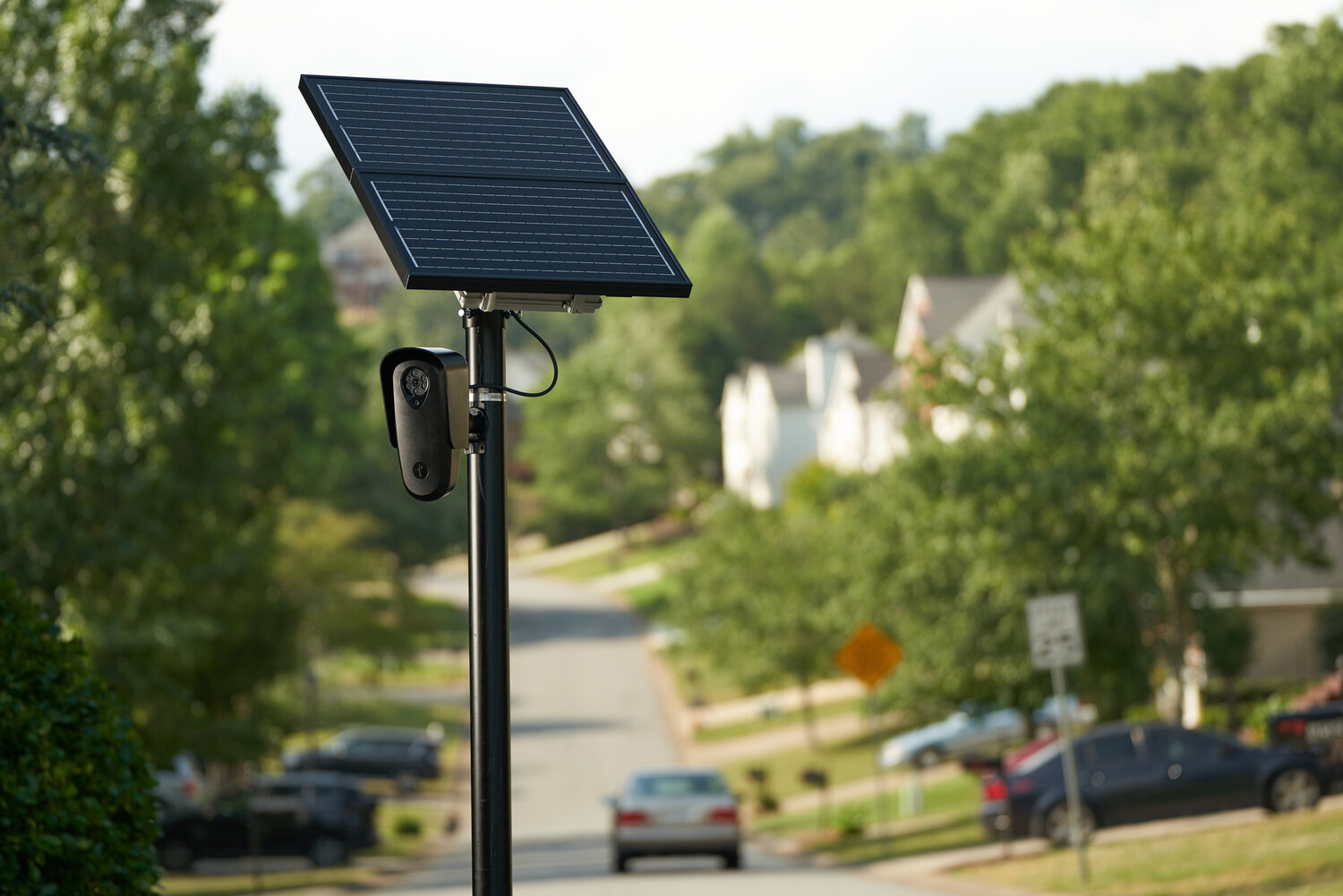
Tempe could be the first city in Arizona to not only cancel its contract with Flock for its automatic license-plate reader cameras but also to ban the technology.
In August, Tempe was the first city in Arizona to cancel its contract with Flock and announce that the council would not be seeking an alternative contractor.
At the Sept. 24 city council meeting, the council and community discussed the use of ALPR data and the efficacy of the cameras and the AI technology that is used with them.
Councilmember Bobby Nichols, a licensed attorney, presented the ordinance after months of pushing for a contract cancellation in his campaign and since he took office in July.
He shared several stories from Arkansas to California where police arrested drivers under false pretenses, resulting in innocent residents being put behind bars.
“This has to do with the artificial intelligence angle, and one passenger that was arrested spent nearly a month behind bars during the holidays before officers realized their error and set them free,” Nichols said.
Many residents would also like to see them gone.
In a city survey with over 900 respondents, over 70% opposed the use of ALPR cameras and were for a complete ban. Many of the comments compared the issue to countries like China, North Korea and Israel, all nations that have documented cameras watching their residents.
Arizona State University engineering professor Michael Kintscher said that they were happy to see the council cancel the contract with Flock, but urged them to go further by approving the ordinance to ban the technology.
“I strongly urge you to stand up for our rights. This ordinance, formed by the feedback from our survey and the community input, is just common sense,” Kintscher said.
Tempe had roughly 30 speakers from the community on the issue, most urging the council to approve the ordinance.
“Surveilling the community is weird. We need to start calling it that,” said Tempe resident David Blakeman.
What would be prohibited
The ordinance states that no city agency would be able to purchase or accept ALPR or data-sharing technology as a gift.
The summary document states, “This includes prohibiting the use of city funds, grants or asset-forfeiture funds to purchase or operate the technology and preventing the city from entering into future contracts for law-enforcement ALPR systems.”
The ordinance would also require existing ALPR data to be destroyed and only allow data being used for existing cases and to comply with legal requirements like warrants and subpoenas.
The ordinance also states city employees who violate the ordinance would be subject to consequences and could be terminated.
The ordinance would also allow cameras in parking lots and other private property.
Councilmember Brooke St. George, who supported the city’s recent contract with Axon, asked about the data of ALPR cameras causing more harm than good.
“As much as I would like to believe that these companies care about public safety, these companies care about gathering and tracking data to make money,” St. George said.
The case for the technology
Councilmember Doreen Garlid said she was concerned with some of the changes from the first draft and the clause that would prohibit Tempe police from working with other jurisdictions to solve crime.
She asked Police Chief Ken McCoy about statistics regarding misuse in the ALPR cameras. He explained that despite efforts to prevent misuse, he responded by saying that Tempe Police does not support the ordinance as written.
He later explained that the police force does not track data of what pieces of evidence are used to solve a case and that he could not say how many cases have been solved using ALPR technology.
“We know that ALPR cameras have helped solve serious crimes, from homicides to sexual assaults, but now we have a 16-year-old girl who is fighting for her life after getting hit by a car that fled the scene, and we cannot find the vehicle that hit her. There were also Flock cameras at that intersection that have been turned off,” McCoy said.
McCoy also said it would put Tempe at a disadvantage when assisting in solving crimes from other jurisdictions and with federal agencies.
“Taking away ALPR technology from the police is something I cannot support,” he said.
Nichols asked for the number of cases closed since 2022, when the city began using ALPR technology.
The ordinance is subject to change as written should the council see fit, based on internal discussions from stakeholders.
The second and final hearing on the ordinance will be Oct. 15. Should it pass, it will go into effect in November.
To voice your opinion on this story, connect with us at AzOpinions@iniusa.org.
Madeline Bates joined Independent Newsmedia in 2025 as a Phoenix/Tempe reporter. Before graduating college, she spent a semester in Washington as a Congressional reporter in the first 100 days of the second Trump administration. But local news is where her heart is. She is excited to be in Phoenix full time and exploring new parts of the city (as long as they have AC).
Community: After living in East Phoenix for two years, she fell in love with Paradise Valley, Mesa, Tempe, and everywhere in between. She recently discovered the beauty of the South Mountain Reserve and hopes to continue exploring should the weather comply.
Education: Madeline has a degree in Journalism and Mass Communications from Arizona State University’s Walter Cronkite School of Journalism and a certificate in Political History and Leadership.
Random Fact: She is a self-taught nail tech. No, she cannot do your nails.
Hobbies: Hiking (when its not 100 degrees), fiction writing, cooking, baking and trying new coffee shops.

 By


Comments
No comments on this item Please log in to comment by clicking here