TV, movies enhance ALS awareness, but they’re only part of the story
Posted
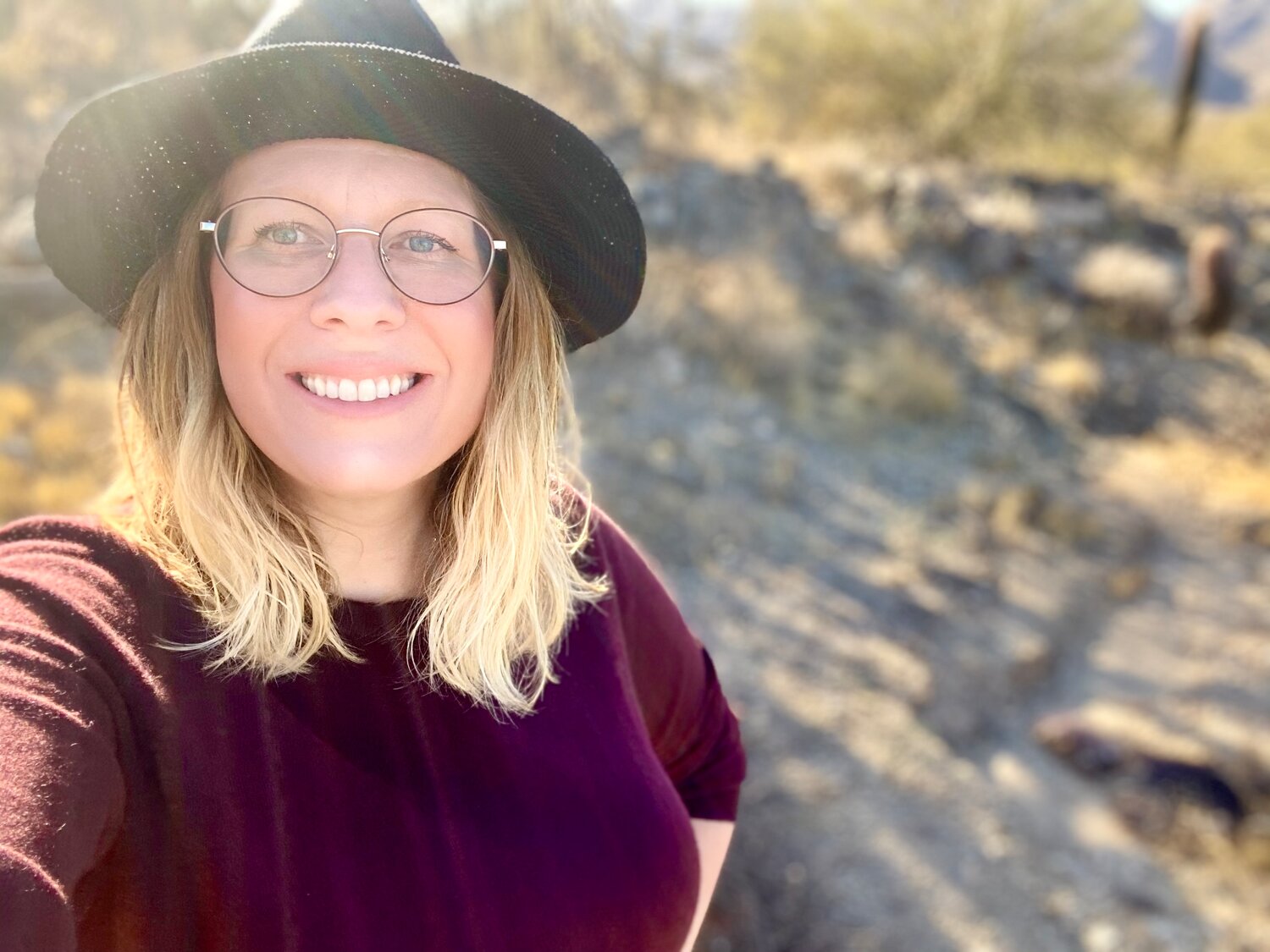
Amanda Kehrberg
Submitted photo
In the U.S. today, it is estimated that around 1 in 300 people will be diagnosed with ALS during their lifetime. ALS appears most commonly in age ranges from 55 to 75, with 60 the average age of diagnosis. The prognosis for ALS patients is two to five years, though between 10% and 20% live more than 10 years.”
A brilliant physicist. A concert pianist. A cutthroat attorney. These are just a few of the characters who have battled amyotrophic lateral sclerosis, or ALS, across television and film.
This media representation is vital to increasing public awareness. Despite the viral success of 2014’s ALS Ice Bucket Challenge, which engaged everyone from political leaders to celebrities across the globe and raised more than $115 million, awareness is still limited. A 2024 study by I AM ALS found that 70% of respondents had either never heard of ALS or knew little about the disease.
Fictional stories can do a lot to connect audiences with the harrowing emotional experience of an ALS diagnosis, but they fail to capture the full spectrum. That’s why sharing real stories of people living with ALS is so important.
ALS in film and television
ALS has appeared in episodes of network shows like “Scrubs,” “Suits” and “House.” It’s mentioned in Netflix’s 2020 series “The Old Guard” and the 2024 Hugh Grant-led horror “Heretic.” In Hulu’s “Nine Perfect Strangers,” Christine Baranski plays Victoria, a wealthy and uncompromising matriarch leaning on a cane as she explores unconventional treatments. In Netflix’s “Jessica Jones,” power-hungry lawyer Jeri Hogarth seeks a possible cure through the same unethical doctors who gave Jessica her superpowers.
Two 2014 films centered on protagonists with ALS: “The Theory of Everything,” based on the early life of physicist Stephen Hawking (featuring Eddie Redmayne’s Oscar-winning performance), and “You’re Not You,” starring Hilary Swank as a concert pianist struggling with her newfound limitations.
Even in the most fantastical contexts, these depictions find common threads. They explore the toll of ALS on an individual’s sense of self and on relationships with loved ones. They show the desperate longing for a cure that doesn’t exist yet, even in worlds with immortal beings and superheroes. They linger on the devastation of little, everyday indignities: the shaking hand that can no longer turn a page, the raised toilet seat with handles, the slurred speech stumbling over simple words.
ALS in real life
In the U.S. today, it is estimated that around 1 in 300 people will be diagnosed with ALS during their lifetime. ALS appears most commonly in age ranges from 55 to 75, with 60 the average age of diagnosis. The prognosis for ALS patients is two to five years, though between 10% and 20% live more than 10 years. Stephen Hawking remains an extreme outlier: Diagnosed at 21 and given only two years, he lived until age 76.
About 70% of cases are known as Limb-Onset ALS, meaning that the earliest symptoms are weakness in the arms or legs. As the disease progresses, patients need more and more help with everyday tasks, straining relationships with spouses and children who take on caregiving.
Bridging the gap with local support
That’s where organizations like ALS Arizona come in: educating caregivers, providing respite support and funding activities like accessible skiing and baseball that give much-deserved joy to patients and their families.
Unfortunately, the same 2024 I AM ALS study found that 90% of respondents couldn’t name any organizations that supported people with ALS. That’s why increasing awareness is so important.
“Greater ALS Awareness means earlier diagnosis, stronger support, more research and better quality of life for people living with ALS and their families,” said Deboni Park, ALS Arizona’s care services and advocacy manager.
In Arizona, Gov. Katie Hobbs established May 2025 as ALS Awareness Month, and we honored the month by sharing real stories of Arizonans both at the State Capitol and across social media. Those stories may not include immortal mercenaries or dastardly supervillains, but they definitely feature heroes.
Editor’s note: Arizona State University Cronkite School Ph.D. student Amanda Kehrberg is a volunteer with Phoenix-based ALS Arizona. Please send your comments to AzOpinions@iniusa.org. We are committed to publishing a wide variety of reader opinions, as long as they meet our Civility Guidelines.



Comments
No comments on this item Please log in to comment by clicking here