Arizona’s ALS community will gather at Wesley Bolin Memorial Plaza at the Arizona State Capitol, 1700 W. Washington St. in Phoenix, from 9 a.m. to 1 p.m. Thursday, May 29 to raise awareness, connect with others, meet with state legislators and advocate for those living with the disease.
For more information or to RSVP for the event, visit alsaz.org/event/als-arizona-state-advocacy-day
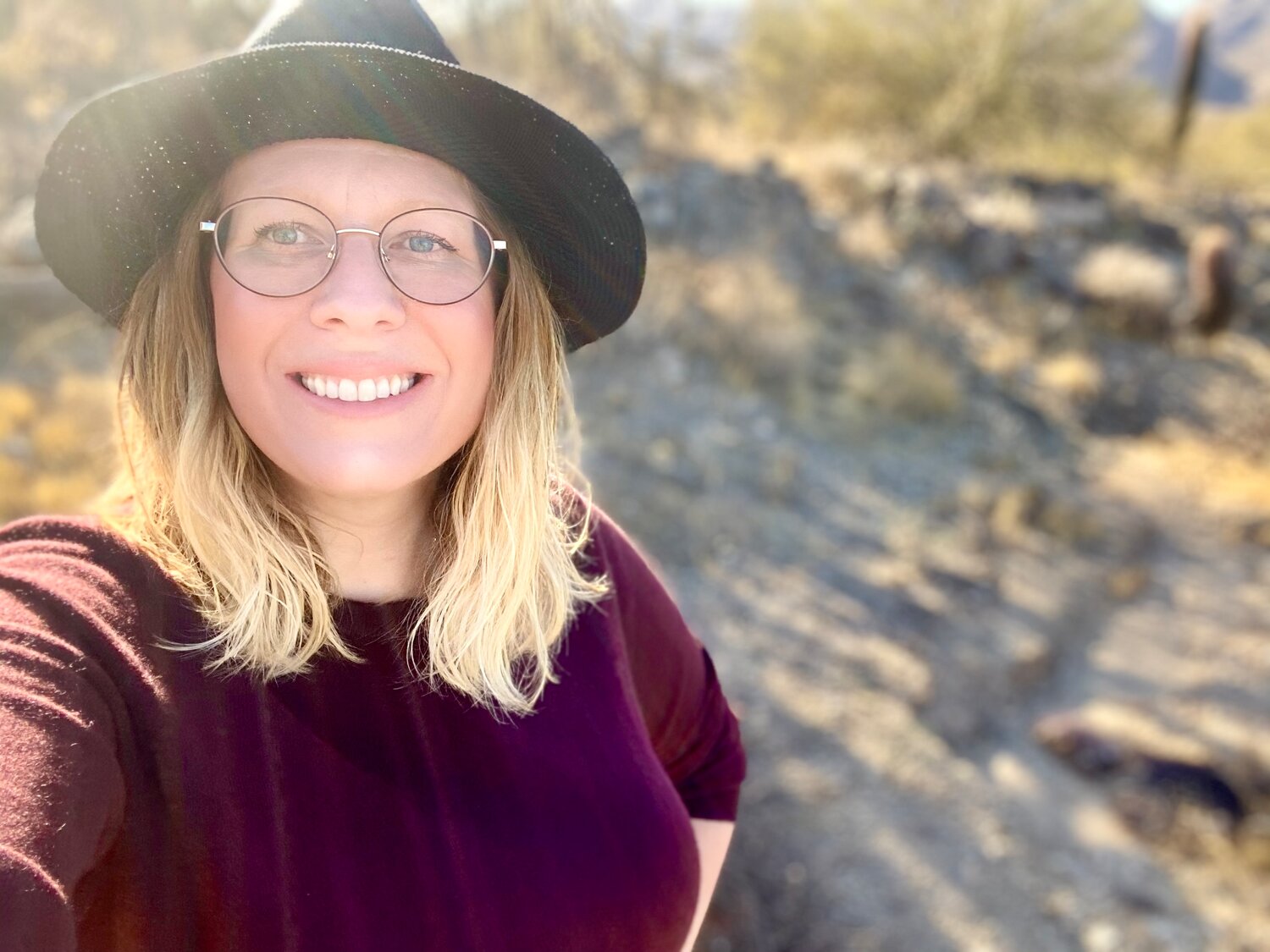
By Amanda K. Kehrberg | ALS Arizona Volunteer
When my dad was diagnosed with ALS — amyotrophic lateral sclerosis — in 2014, I had a lot to learn.
I knew ALS was a devastating and fast-moving disease. I knew about baseball legend Lou Gehrig and his famous “Luckiest Man” speech. And I knew about the ALS Ice Bucket Challenge, which went viral that summer as everyone from celebrities to presidents dumped a bucket of ice-cold water over their heads. But there was still so much I didn’t know.
ALS doesn’t only impact older people
My dad was diagnosed at age 67, about a year after he retired. ALS is most frequent in people between the age of 60 into the mid-80s, with risk increasing up until age 75.
But those trends don’t tell the full story: According to the U.S. National ALS Registry, the average age of diagnosis in the U.S. was 54 years old. About 13% of patients are diagnosed before age 40: That includes people like Lou Gehrig, who was diagnosed on his 36th birthday, and former NFL player Steve Gleason, diagnosed at 34.
Juvenile ALS (diagnosed before the age of 25) is rare, with fewer than 1,000 patients across the U.S. One notable example was physicist Stephen Hawking, diagnosed at just 21 years old.
ALS is not only hereditary
About 10% of ALS cases are genetic, known as familial ALS. For those with a genetic mutation that causes ALS, there is about a 50% chance of passing the mutation down to their children. The good news is that researchers have made incredible progress in recent years in both identifying and treating familial ALS through cutting-edge gene therapies.
In my dad’s case, his disease was sporadic ALS, meaning that there is no genetic explanation. Sporadic ALS accounts for 90% of cases. There’s still so much we don’t know about what causes non-familial ALS, but researchers have identified some factors that are associated with increased risk, like smoking and exposure to environmental toxins. One of the most significant risk factors remains, sadly, military service. Veterans (like my dad, who served in the Navy) are at least twice as likely to develop ALS.
ALS does not affect everyone in the same way
There’s no way to exactly predict how ALS will progress in each individual case. Even how ALS begins is varied: Most cases are limb-onset ALS, meaning that symptoms begin in the arms or legs and progress through the body. But some experience bulbar-onset ALS, when symptoms begin with issues breathing, speaking, and swallowing. The average life expectancy of someone with ALS is around two to five years; but 20% of people live at least five years, and 10% live beyond 10 years.
My dad was a lucky man (though not the Luckiest Man, of course!): His ALS began in his arms and progressed slowly, and he lived another six years post-diagnosis. With new advances every day, there’s good reason to hope that longer lifespans become standard.
Living a rich, rewarding life with ALS is possible
ALS is a heartbreaking diagnosis for patients and loved ones. But support is available: Organizations like ALS Arizona are dedicated to helping people live their best lives. ALS Arizona provides free programs and services, from support groups to respite care to social outings. But they also partner with local accessibility organizations to create incredible adaptive experiences, so patients can enjoy activities like fishing, golfing and horseback riding.
Arizonans with ALS come from all walks (and rolls) of life, and I invite you to meet some of them as we celebrate ALS Awareness Day on May 29. Take a look at the ALS Arizona social media accounts or visit the Arizona State Capitol that day and you’ll see stories and photos of patients, caregivers, friends and family impacted by ALS. You’ll see fathers, daughters, veterans, best friends, great bosses, marathon runners and quilters. You’ll see ages ranging from 23 to 82.
ALS looks different for everyone. But it doesn’t need to be defined only by how people die from it, but how they live with it — and dance, and paint, and waterski, and snowboard.
Editor’s note: Arizona State University graduate student Amanda K. Kehrberg is a volunteer with Phoenix-based ALS Arizona. Please send your comments to AzOpinions@iniusa.org. We are committed to publishing a wide variety of reader opinions, as long as they meet our Civility Guidelines.



Comments
No comments on this item Please log in to comment by clicking here