Several Tempe residents spoke during a recent council meeting to express their support for the city’s road map that will guide Tempe’s efforts to provide equitable and sustainable solutions to growing energy use and extreme heat challenges.
Tempe City Council received a presentation at its Feb. 24 work study session on the development of the city’s residential energy equity road map, which will outline policies, programs and infrastructure needs to address energy use and extreme heat challenges that residents face, as explained in a city report.
“Energy equity aims to promote policies and programs informed by community input and designed to meet the needs of all individuals in relation to accessible and affordable residential energy in Tempe,” the report stated.
The Sustainability and Resilience Division sought city council’s feedback on the road map at the Feb. 24 work study session, also requesting their guidance and direction on the road map’s priorities to ensure they are aligned with council’s priorities.
Before the presentation, three members of the public shared their support for this road map, stressing the importance of the city making these choices to support residents and providing input on other ways Tempe can manage these challenges.
Resident Jake Swanson, a member of the Sustainability and Resiliency Commission, spoke about the growing concerns with extreme heat and how that relates to energy use. He supported the road map, saying it was efficient, well thought out and likely to have a significant impact.
Sustainability and Resiliency Commissioner Jake Swanson speaks at Tempe City Council's Feb. 24 work study session.
Courtesy City of Tempe/YouTube
“By supporting this plan, you’re working towards cleaner air, less economic sanctions, averting both personal and citywide crises and providing essential support to everyday people, enabling more autonomy… for your constituents to be participatory in processes like this,” Swanson said.
Supporting Tempe residents
Andy Escobar, the Sustainability and Resilience Division’s energy equity coordinator, explained at the meeting that energy equity is a concept purporting that it’s important for residents in Tempe and beyond to be able to afford to cool their homes — especially during extreme heat.
“Our division has been working with residents to provide feedback on issues related to energy use and extreme heat challenges in order to co-create our city’s first residential energy equity road map,” Escobar said.
Actions within the road map were developed based on resident feedback, which was collected through the Climate Justice Advisory Group. Additional feedback has been collected since the group concluded its workshops from the broader community through public events, meetings and an online survey.
The focus group of community members primarily from the Alegre, Escalante and Victory Acres neighborhoods participated in eight monthly bilingual workshops, ultimately creating three themes for the road map to be based off of. The themes are energy efficiency, renewable energy and urban cooling.
In her presentation, Escobar highlighted one action from each theme that staff will be working on progressing this year, noting that the department has identified over 20 strategies to contribute to the road map.
Taking action
Staff had previously heard from residents in 2022 that they were struggling to afford their energy bills, seeking added support with rising utility rates and energy consumption records being broken each year.
“We believe it’s important that our residents should be able to afford to cool their homes, and the work we are doing helps to make homes more energy efficient, which lowers energy bills, keeps residents safe and contributes to a cleaner environment,” Escobar said.
For energy efficiency, one of the strategies the city is looking at is advocacy for expanding and increasing access to federal residential energy programs like the Low Income Home Energy Assistance and the Weatherization Assistance programs.
Escobar noted that energy efficiency had the most actions associated with it, and another notable action Tempe is looking to is strengthening its building codes and standards to align with the International Green Construction Code and the International Energy Conservation Code.
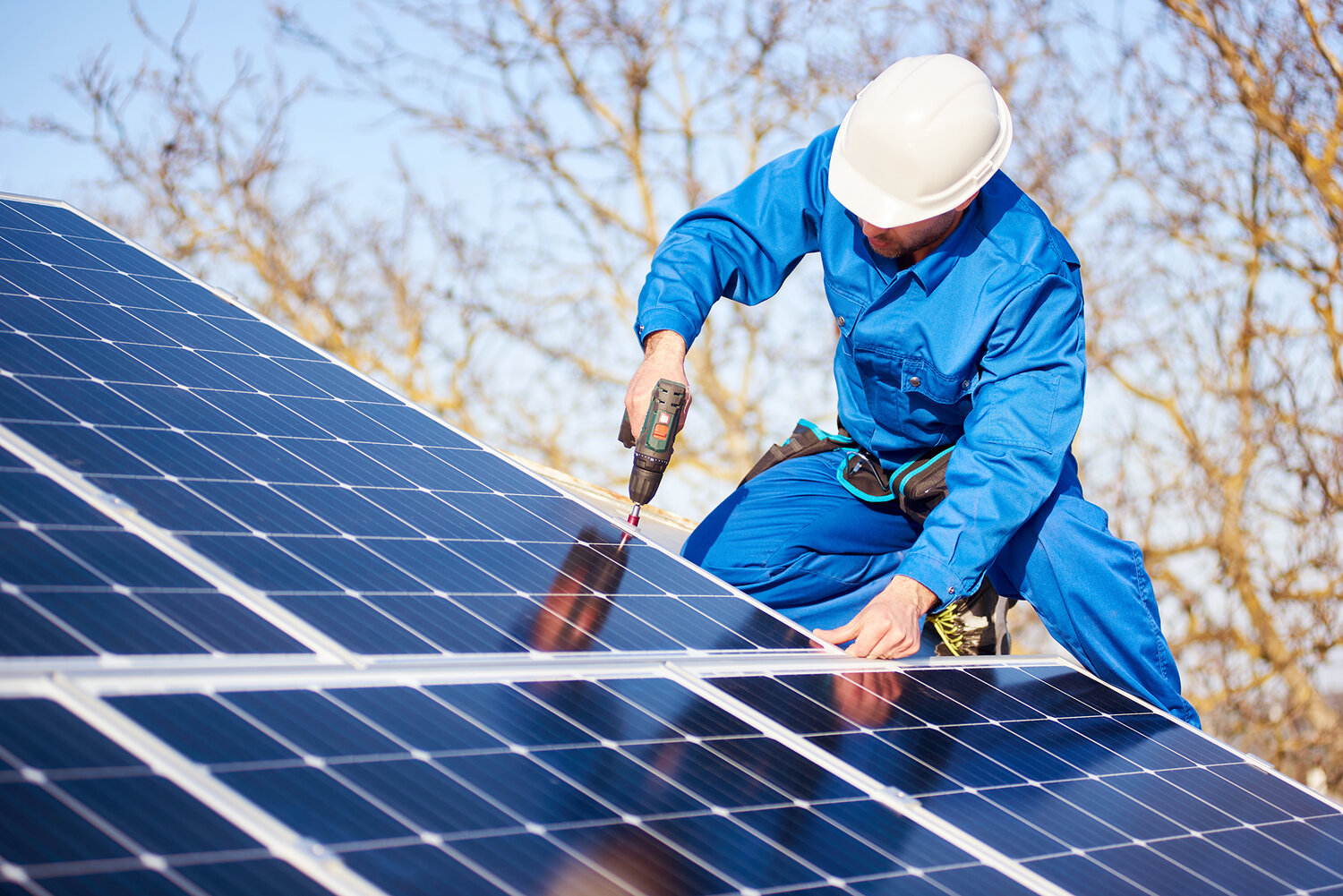
An action within the renewable energy theme that Escobar highlighted was helping households transition to renewable energy sources like wind and solar. She said that residents had expressed interest in working with Tempe’s utilities to expand renewable energy offerings, while also seeking city support to make informed decisions about making the switch.
“We plan to work with community development to streamline the rooftop solar process and collaborate with nonprofits that support creative financial options to help residents invest in rooftop solar,” Escobar said.
The final theme, urban cooling, is relevant to the road map because outdoor heat directly impacts indoor temperatures, thus influencing energy usage and costs.
One way the city plans to address urban cooling challenges is through accessible and inclusive tree programs that address challenges with the physical ability to plant and maintain trees as well as the cost of upkeep.
Tempe’s recently launched Tree Stewards Program aims to address these challenges to expand the tree canopy in residential spaces.
“This tree stewards program compensates and educates residents through an eight-week program and gives them the resources and support to grow, plant and maintain trees in their neighborhoods,” Escobar said.
Following her presentation, council briefly discussed the road map, sharing their support for these strategies for managing energy use and extreme heat challenges.
Please send your comments to AzOpinions@iniusa.org. We are committed to publishing a wide variety of reader opinions, as long as they meet our Civility Guidelines. Reporter Caroline Yu can be reached at cyu@iniusa.org
Meet Caroline Caroline Yu joined Independent Newsmedia, Inc., USA, in 2020 as a summer intern covering Scottsdale. As an intern, she continued her coverage of Scottsdale, Paradise Valley and Tempe. After graduating in 2022, Caroline became a full-time reporter for Scottsdale and Paradise Valley. She is currently reporting for the Tempe market.
Community: She is a supporter of the environment and tries to get involved with related community events.
Education: Arizona State University with a BA in Journalism and Mass Communications, with a minor in French.
Random Fact: She used to be a ballet dancer for 10 years.


 By
By 
 An action within the renewable energy theme that Escobar highlighted was helping households transition to renewable energy sources like wind and solar. She said that residents had expressed interest in working with Tempe’s utilities to expand renewable energy offerings, while also seeking city support to make informed decisions about making the switch.


Comments
No comments on this item Please log in to comment by clicking here