Report: High levels of radon detected in 14.9% of Arizona homes
American Lung Association urges everyone to test their home for odorless, tasteless and colorless gas
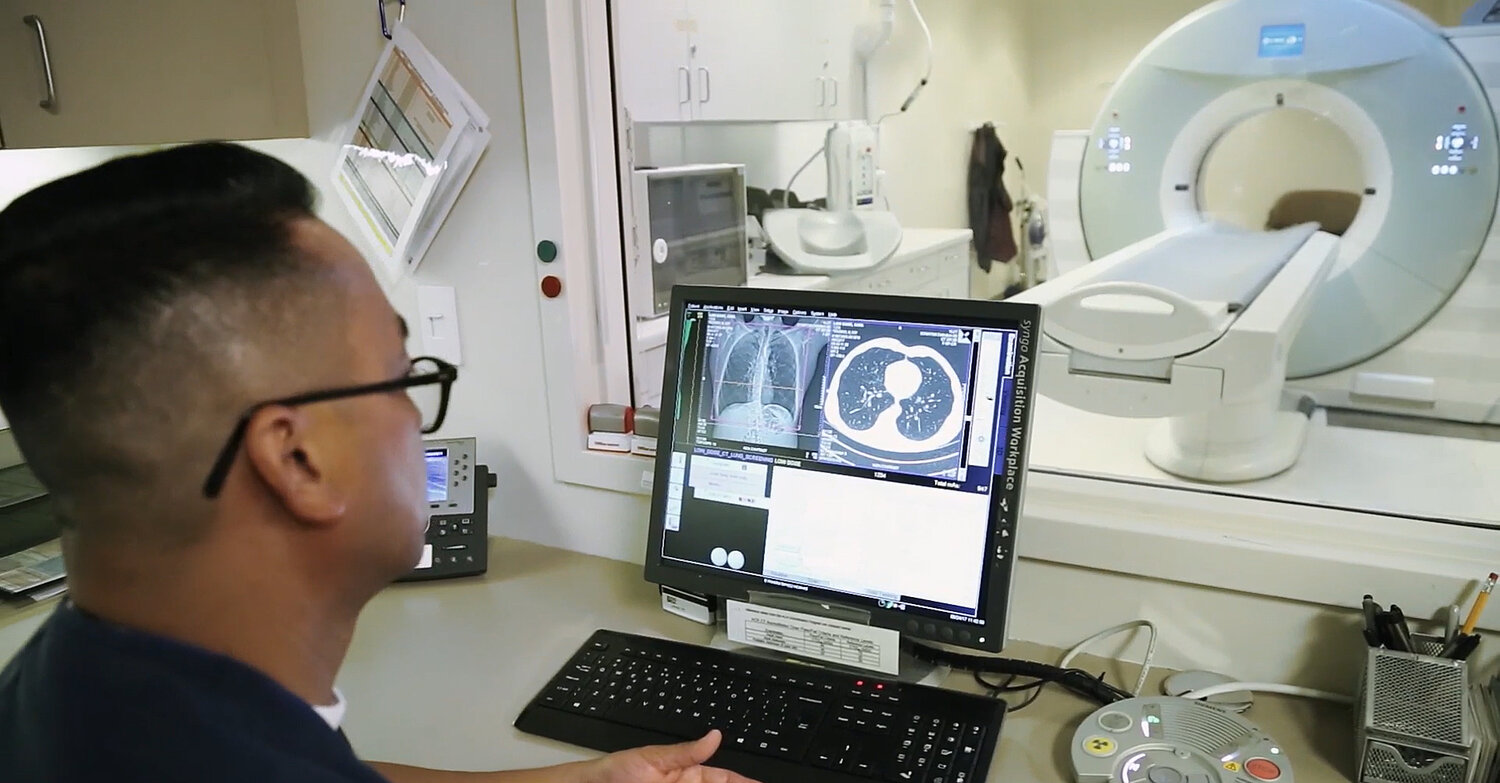
A technician demonstrates how to read a lung screening while looking for evidence of radon.
(Photo provided by American Lung Association)
Radon is the second leading cause of lung cancer, and the State of Lung Cancer report reveals that it is detected at high levels in about 14.9% of homes in Arizona.
During January for National Radon Action Month, the American Lung Association in Arizona is urging everyone to help save lives by testing their home for radon and mitigating if high levels are detected.
Radon is a naturally occurring radioactive gas emitted from the ground. Radon is odorless, tasteless, and colorless, and can enter a home through cracks in floors, basement walls, foundations, and other openings.
You must be a member to read this story.
Join our family of readers starting at $5 for your first month and support local, unbiased journalism.
Click here to see your options for becoming a subscriber.
Register to comment
Click here create a free account for posting comments.
Note that free accounts do not include access to premium content on this site.
I am anchor
YOUR HEALTH
Report: High levels of radon detected in 14.9% of Arizona homes
American Lung Association urges everyone to test their home for odorless, tasteless and colorless gas
(Photo provided by American Lung Association)
A technician demonstrates how to read a lung screening while looking for evidence of radon.
Posted
Special to Independent Newsmedia
Radon is the second leading cause of lung cancer, and the State of Lung Cancer report reveals that it is detected at high levels in about 14.9% of homes in Arizona.
During January for National Radon Action Month, the American Lung Association in Arizona is urging everyone to help save lives by testing their home for radon and mitigating if high levels are detected.
Radon is a naturally occurring radioactive gas emitted from the ground. Radon is odorless, tasteless, and colorless, and can enter a home through cracks in floors, basement walls, foundations, and other openings.
Radon can be present at high levels inside homes, schools and other buildings. It is responsible for an estimated 21,000 lung cancer deaths every year and is the leading cause of lung cancer in people who have never smoked, a press release explains.
In Arizona, about 14.9% of radon test results equal or exceed the Environmental Protection Agency action level of 4 pCi/L, according to the Lung Association’s State of Lung Cancer report.
After high levels are detected, a radon professional should install a radon mitigation system. A typical radon mitigation system consists of a vent pipe, fan and properly sealing cracks and other openings.
This system collects radon gas from underneath the foundation and vents it to the outside. Contact your state radon program for a list of certified professionals in your area. Some state health departments offer financial assistance or low interest loans for radon mitigation.



Comments
No comments on this item Please log in to comment by clicking here