As we head into August, I’ve been thinking about what it means to engage with the teachings of Jesus in a world so different from his own.
More than 2,000 years ago, people gathered in small fishing villages. Living under Roman rule, they faced their fair share of struggles, which we can barely imagine.
Even so, the heart of Christ’s message still speaks to anyone who cares about compassion, justice, and community — messages such as “Love your neighbor as yourself,” “Whatever you did for the least of these,” and many others. Messages on how we should be in community with each other.
You must be a member to read this story.
Join our family of readers starting at $5 for your first month and support local, unbiased journalism.
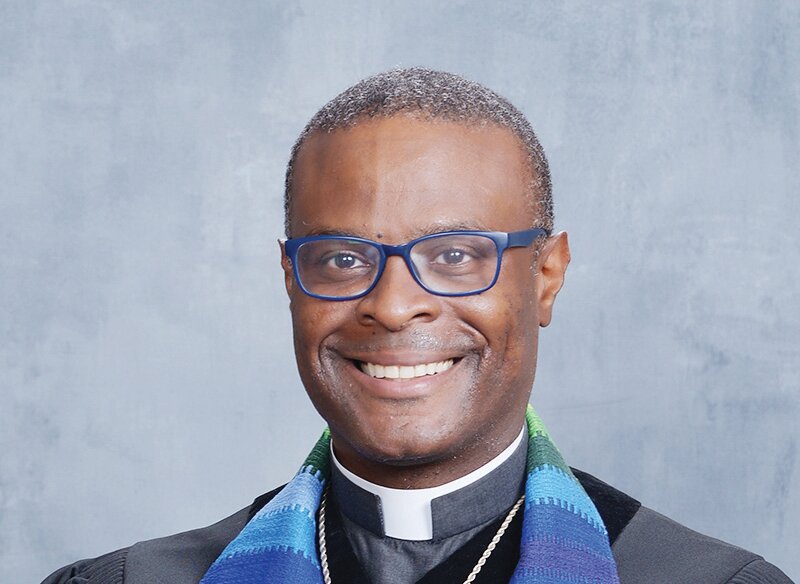
By Rev. Dr. Derrick Elliott | Pastor, Sun Lakes United Church of Christ
As we head into August, I’ve been thinking about what it means to engage with the teachings of Jesus in a world so different from his own.
More than 2,000 years ago, people gathered in small fishing villages. Living under Roman rule, they faced their fair share of struggles, which we can barely imagine.
Even so, the heart of Christ’s message still speaks to anyone who cares about compassion, justice, and community — messages such as “Love your neighbor as yourself,” “Whatever you did for the least of these,” and many others. Messages on how we should be in community with each other.
When Jesus said, “Love your neighbor as yourself,” he wasn’t only speaking to people who shared his faith or culture. He was offering a way of life that can break through fear, division, and resentment.
Today, our divisions take other forms — political arguments, economic hardship, prejudice, policies that cause harm, and the quiet isolation so many feel. But the call to love hasn’t changed.
In Jesus’ invitation to “follow me,” there was never about forming an exclusive group or building a religious nation. He made it clear: “My kingdom is not of this world.”
He wasn’t seeking political power. He was pointing toward a deeper kind of change in one’s life.
A way of living that was shaped by humility, generosity, and care. Not by forcing society to follow him or by fear.
Throughout the Gospels, Jesus paid close attention to the people most often overlooked: the poor, the foreigner, and the outcast. He welcomed them, shared meals with them, and treated them with dignity.
His example still challenges us to notice those at the edges of our communities and ask how we can stand alongside them. Whether you see yourself as a person of faith, spiritual but unsure, or simply curious, this way of living can inspire us all to build a more compassionate world.
As August unfolds, I invite you to reflect on these words.
What would it mean to be a peacemaker in your daily conversations? How might “Do not be afraid” help you face the uncertainties ahead? In what ways could “Whatever you did for the least of these” shape your choices, big and small?
These teachings aren’t locked in the past. They are alive, waiting for each of us to hear them anew.
My hope is that together — as neighbors, friends, and a community — we keep asking: What does it look like to live with love and courage right where we are?
Let’s carry that question into this new month with open hearts and willing hands.
Please send your comments to AzOpinions@iniusa.org. We are committed to publishing a wide variety of reader opinions, as long as they meet our Civility Guidelines.



Comments
No comments on this item Please log in to comment by clicking here