Valley food banks still seeing strong demand from community
Inflation, other factors pushing more clients
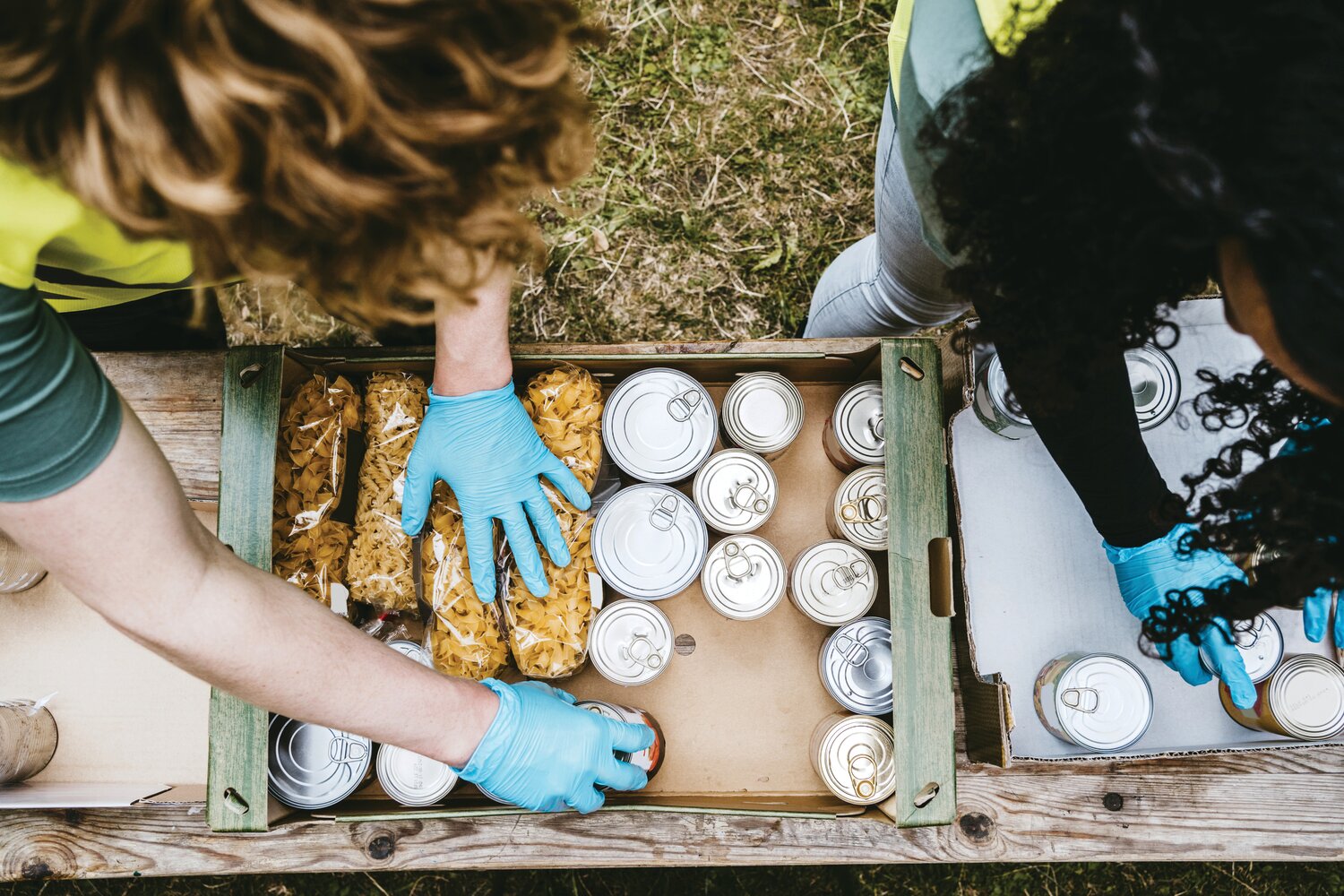
Valley food banks continue to see strong demand from people accessing their services.
(Metro Creative)
Just a few years ago, food banks across the Valley saw a dramatic rise in the numbers of people showing up for assistance after having lost their livelihoods in the pandemic.
But even though the pandemic is now history, those numbers haven't declined.
About 1,500 people still show up at St. Mary's Food Bank every day, said Jerry Brown, who directs public relations for the state's largest food assistance network.
You must be a member to read this story.
Join our family of readers starting at $5 for your first month and support local, unbiased journalism.
Click here to see your options for becoming a subscriber.
Register to comment
Click here create a free account for posting comments.
Note that free accounts do not include access to premium content on this site.
I am anchor
Valley food banks still seeing strong demand from community
Inflation, other factors pushing more clients
(Metro Creative)
Valley food banks continue to see strong demand from people accessing their services.
Posted
Leah Haynes | Special to Independent Newsmedia
Just a few years ago, food banks across the Valley saw a dramatic rise in the numbers of people showing up for assistance after having lost their livelihoods in the pandemic.
But even though the pandemic is now history, those numbers haven't declined.
About 1,500 people still show up at St. Mary's Food Bank every day, said Jerry Brown, who directs public relations for the state's largest food assistance network.
“When inflation hit in 2022, we saw an incredible swell across the board — not just families, not just homeless — but even seniors living on a fixed income,” Brown said. “All of a sudden, with the rising prices of gas, food, housing and medicine, their fixed incomes could not keep up with the rate of inflation and they were coming to a food bank for help for the first time in their lives.”
HonorHealth Desert Mission Food Bank, which previously served about 150 households a day, is now “serving way past 300 households per day,” said Patricia Lizarraga, Community Support Specialist from HonorHealth Food Bank.
According to the Homelessness in Arizona Annual Report of December 2023, made by the Arizona Department of Economic Security, more than 14,000 people in Arizona are homeless, a 29% increase from 2020.
“We have families coming in from all walks — those who have that chronic homelessness or chronic low-income who visit the food banks frequently. We also have those who come in who maybe just lost their job and need that help one or two times,” said Patricia Lizarraga, community support specialist from HonorHealth Desert Mission Food Bank.
Dozens of food banks in Arizona have become the main source of food for various communities, from, “the inner cities and places where people need help the most, working with the homeless, all the way to the outer rural areas and the Indian territories,” says Brown.
Food banks even affect those on a fixed income impacted by inflation, “There are also pockets of poverty right here in Maricopa County,” Brown said.
Nate Peterson, a Queen Creek resident and a visitor of various food banks in Maricopa County, said, “I am so grateful for all the work that the volunteers do for me and other people as well. They have been lifesavers to me.”
Even with all the help of these various food banks across the county and state, there are still obstacles for the communities in need, including transportation.
“Individuals will come on the bus or walking and they can’t carry what we give them because it’s too much or they don’t have the ability to cook what we provide them…” said Lizarraga.
With obstacles stacked against these communities, volunteers at Arizona food banks attempt to serve in new and unprecedented ways.
“Working at the food bank has impacted me,” Lizarraga said. “It has opened my eyes to the needs that are out there that I was blind to before. I took my life for granted because I didn’t realize the needs that were out there for basic simple things like food.”
Leah Haynes is a student at the Walter Cronkite School of Journalism and Mass Communication at Arizona State University.



Comments
No comments on this item Please log in to comment by clicking here