Phoenix, other U.S. cities, see rise in homes that lack running water
A new study out this week shows about 6,300 homes in the Phoenix area lack running water.
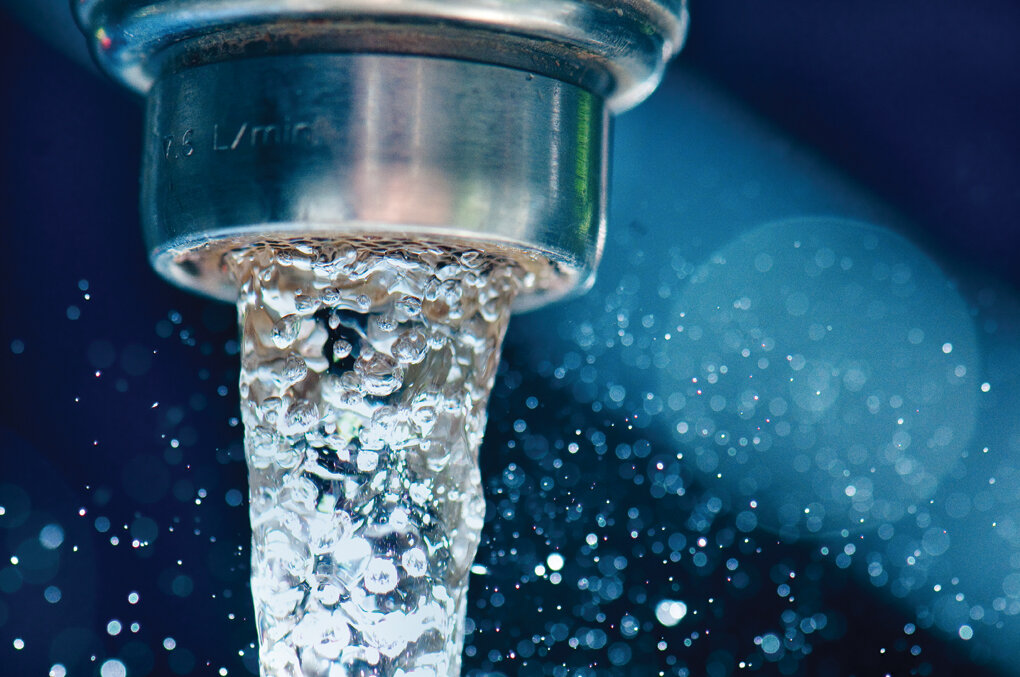
Metro Creative
More Phoenix residents — and those in other U.S. metros — are living without running water, the impact of high prices in housing and more, according to research released this week.
The study, from King’s College London and the University of Arizona published in the journal “Nature Cities,” found the number of households without running water increased in the Phoenix metro from 5,800 in 2000 to 6,300 in 2021.
Other cities like Portland, Oregon, saw increases in the percentage of people without running water, according to a press release on the study.
You must be a member to read this story.
Join our family of readers starting at $5 for your first month and support local, unbiased journalism.
Click here to see your options for becoming a subscriber.
Register to comment
Click here create a free account for posting comments.
Note that free accounts do not include access to premium content on this site.
I am anchor
Community
Phoenix, other U.S. cities, see rise in homes that lack running water
Metro Creative
A new study out this week shows about 6,300 homes in the Phoenix area lack running water.
Posted
More Phoenix residents — and those in other U.S. metros — are living without running water, the impact of high prices in housing and more, according to research released this week.
The study, from King’s College London and the University of Arizona published in the journal “Nature Cities,” found the number of households without running water increased in the Phoenix metro from 5,800 in 2000 to 6,300 in 2021.
Other cities like Portland, Oregon, saw increases in the percentage of people without running water, according to a press release on the study.
Study authors say it shows how “plumbing poverty” has increased across the U.S. following the housing crash in 2008. It is also something study authors say disproportionately affects people of color across 12 of the 15 largest cities.
“Our results underscore that the success in reducing plumbing poverty in select U.S. cities over the past 20 years is uneven, with households of color often left behind,” said study co-author Jason R. Jurjevich, assistant professor in the U of A School of Geography, Development and Environment, in the College of Social and Behavioral Sciences.
Lead researcher Katie Meehan with King’s College London said people can find themselves living without running water for a range of reasons. In most cases, people are working but not earning enough to make ends meet.
Some households might have been disconnected from water service after falling behind with bills or had to “downgrade” to housing without any water access because other expenses take priority. Others might be in homes that have been poorly maintained by the landlord but cannot afford to move out, some might be living in buildings such as sheds or warehouses not designed to be homes, while others could be experiencing homelessness.
“The compound pressures of high housing costs and expenditures mean that more low-income, asset-limited people are living without running water in these expensive cities,” Meehan said. “Far too many people, especially those of color, are now in such extreme poverty they are being pushed into homes that do not meet the basic standard for human dignity and life.”
While the study showed a bump in the number of people living in homes without water, it tracked the time over 51 years in the 50 largest U.S. and saw a decline in the number of people who lacked running water has dropped from about 3.5 million households to about 500,000 households.
The research team, however, believes this is likely to be an underestimate of the true number because of limitations in U.S. Census data.
The data also shows that the lack of running water, which was once a largely rural problem, has shifted to largely an urban problem since 1990.
The authors said not enough attention is being given to how the housing crisis is shaping people’s access to running water. They recommend reform and improvements to the U.S. Census Bureau’s capacity to collect nationwide data about household water access and the extent of water service shut-offs, in order to monitor and meet the United Nations sustainable development goals.
They also said local water utilities and water boards must revisit and overhaul low-income assistance programs in light of the expanding cost-of-living and housing expenses, which are “squeezing” people’s ability to pay for water services.



Comments
No comments on this item Please log in to comment by clicking here