Meyer: Pledge to prevent bullying through respect, kindness, inclusion
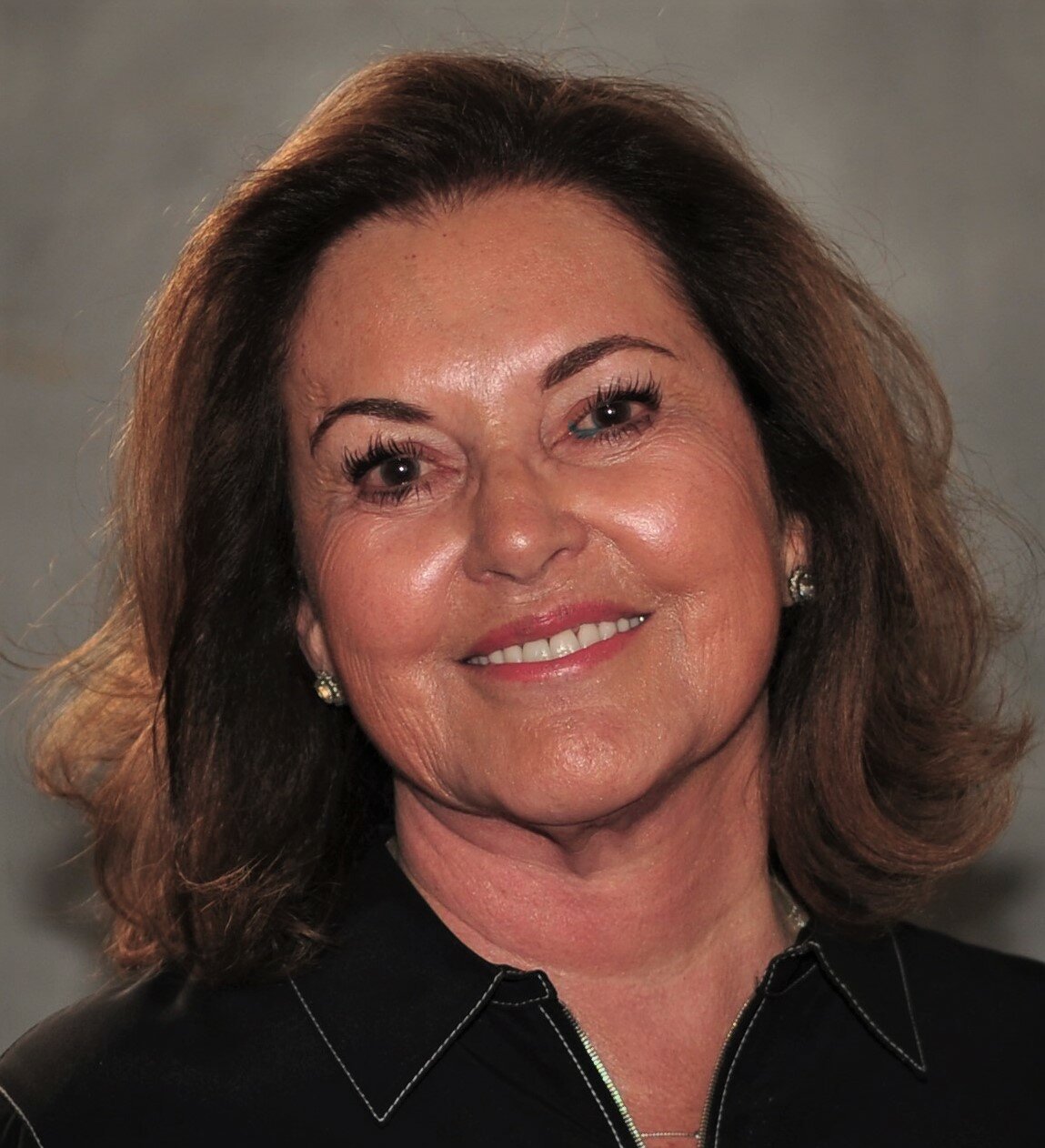
Marcia Meyer
Submitted photo
Imagine you are Marco, a 12-year-old boy, who loves to learn and wants to do well in his classes — and absolutely dreads going to school every day.
Marco has learned how to take the latest bus possible, times the bus arrival so he can run from his house to the bus stop and then from the bus straight into school. He walks with his head down and wishes he could be invisible in the short routes. He knows he can never be on the playground before or after school, he stays away from any sports and he begs his teachers for more work during recess and lunch so he can stay in the classroom. And all day, he worries about which kids will be on his bus on the long ride home.
Marco has been bullied repeatedly by a group of his peers because of how he dresses, what food he brings for lunch, where he lives, because he wears glasses and for the color of his hair.
You must be a member to read this story.
Join our family of readers starting at $5 for your first month and support local, unbiased journalism.
Click here to see your options for becoming a subscriber.
Register to comment
Click here create a free account for posting comments.
Note that free accounts do not include access to premium content on this site.
I am anchor
Opinion
Meyer: Pledge to prevent bullying through respect, kindness, inclusion
Posted
Marcia Meyer
Submitted photo
Children — whether due to race, gender, disability, socio-economic status, sexual orientation or personal characteristics — are more likely to be victimized by their peers.”
By Marcia Meyer | Founder & CEO, The Be Kind People Project
Imagine you are Marco, a 12-year-old boy, who loves to learn and wants to do well in his classes — and absolutely dreads going to school every day.
Marco has learned how to take the latest bus possible, times the bus arrival so he can run from his house to the bus stop and then from the bus straight into school. He walks with his head down and wishes he could be invisible in the short routes. He knows he can never be on the playground before or after school, he stays away from any sports and he begs his teachers for more work during recess and lunch so he can stay in the classroom. And all day, he worries about which kids will be on his bus on the long ride home.
Marco has been bullied repeatedly by a group of his peers because of how he dresses, what food he brings for lunch, where he lives, because he wears glasses and for the color of his hair.
His bully always hurls insults about him and his family. Often, it involves tripping, hitting or pulling his books from his arms, and several times he has been dragged to the ground and beaten in the face. He knows that some students have cell phones, and he sees them looking at their screens, then pointing to him and laughing — or worse. He realizes that the bullying will likely move online, turning into cyberbullying, where even more people might “hate him.”
Marco isn’t sure how much longer he can take it. His parents work hard, and he doesn’t want to add to their burdens, and he feels alone in facing things he just doesn’t understand.
This example is not far-fetched. It reflects a compilation of stories we hear all the time at The Be Kind People Project. It’s exactly why I created a nonprofit to address this behavior 13 years ago. Bullying continues to be a pervasive issue affecting children across the country.
The National Center for Education Statistics reports that roughly 1 in 5 students have been bullied, either at school or online. The effects of bullying include serious mental health issues like anxiety and depression, thoughts of suicide, frequent absenteeism and lower school grades. Children — whether due to race, gender, disability, socio-economic status, sexual orientation or personal characteristics — are more likely to be victimized by their peers.
Bullying affects the entire school culture, and Arizona's public education system is no exception. The consequences of bullying can lead to long-term problems such as disengagement from school, higher dropout rates and difficulties forming positive relationships.
According to NCES, bullying can create an environment of fear that harms overall academic performance, impacting all students, not just those being bullied. Even worse, cyberbullying allows bullying to occur anytime and anywhere, so even when a child leaves school, they find no reprieve. This form of bullying can leave deep emotional scars that may be just as severe as traditional, face-to-face bullying.
Schools with fewer resources and larger class size grapple with addressing the challenges posed by bullying. Studies show that students in schools with fewer services are more likely to experience peer victimization, with both students and teachers often lacking the comprehensive programs needed to address behavioral issues. We need an inclusive approach that involves everyone — schools, families and communities — working together using actionable strategies to foster a culture of respect and kindness.
Implementing programs and principles demonstrated by incorporating the tenets of The BE KIND Pledge™, which promotes kindness and inclusivity, has lasting impacts. When schools commit to such initiatives, they not only tackle the symptoms of bullying but also cultivate a foundation of mutual respect that benefits the entire community.
When kids understand how their choices impact others, it empowers them to behave differently, valuing support, respect, and being considerate for one another. Research shows that students who learn how to be kind to each other contribute to a supportive environment. The resulting respectful and nurturing learning environment enables students to thrive and form healthier relationships, have a sense of purpose, build self-confidence — all of which helps reduce incidents of bullying.
October has been designated as Bullying Prevention Month, but the implications of putting children first go far beyond one month. It is essential to address the issues, find solutions and equip our children with tools like our Be Kind Pledge to create safer and kinder schools through unique and authentic connections with students via our hip-hop dance, music and school assemblies, while also fostering the values of inclusion and strong interpersonal relationship skills that last a lifetime.
In these environments, students learn that it is cool to be kind and understand the importance of respect and acceptance, so every student can thrive.



Comments
No comments on this item Please log in to comment by clicking here