Diamond Fire: McDowell Sonoran Conservancy concerned for keystone species
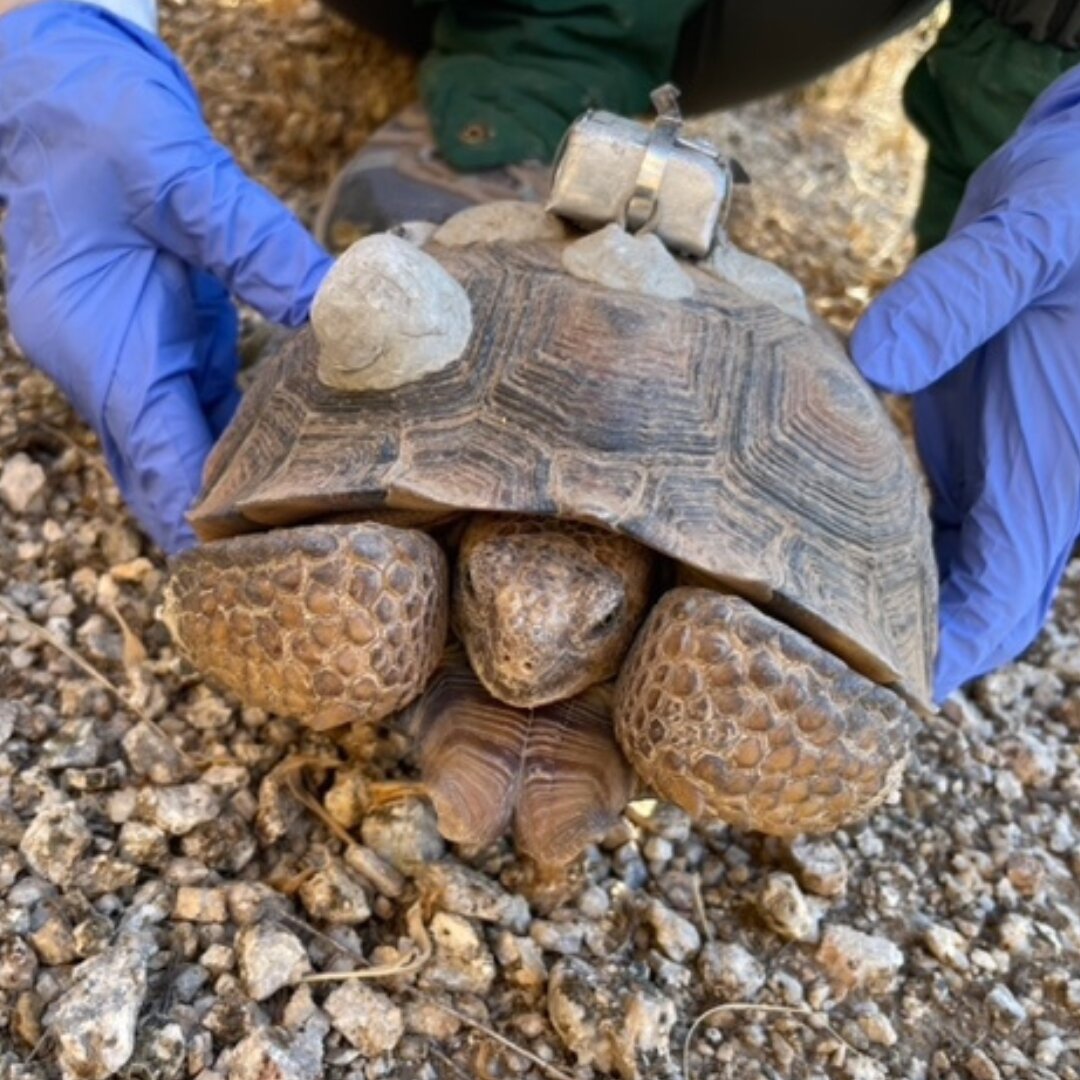
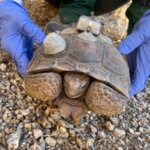
A Sonoran Desert tortoise is outfitted with GPS equipment as part of the McDowell Sonoran Conservancy’s Tortoise Movement Study.
Courtesy McDowell Sonoran Conservancy
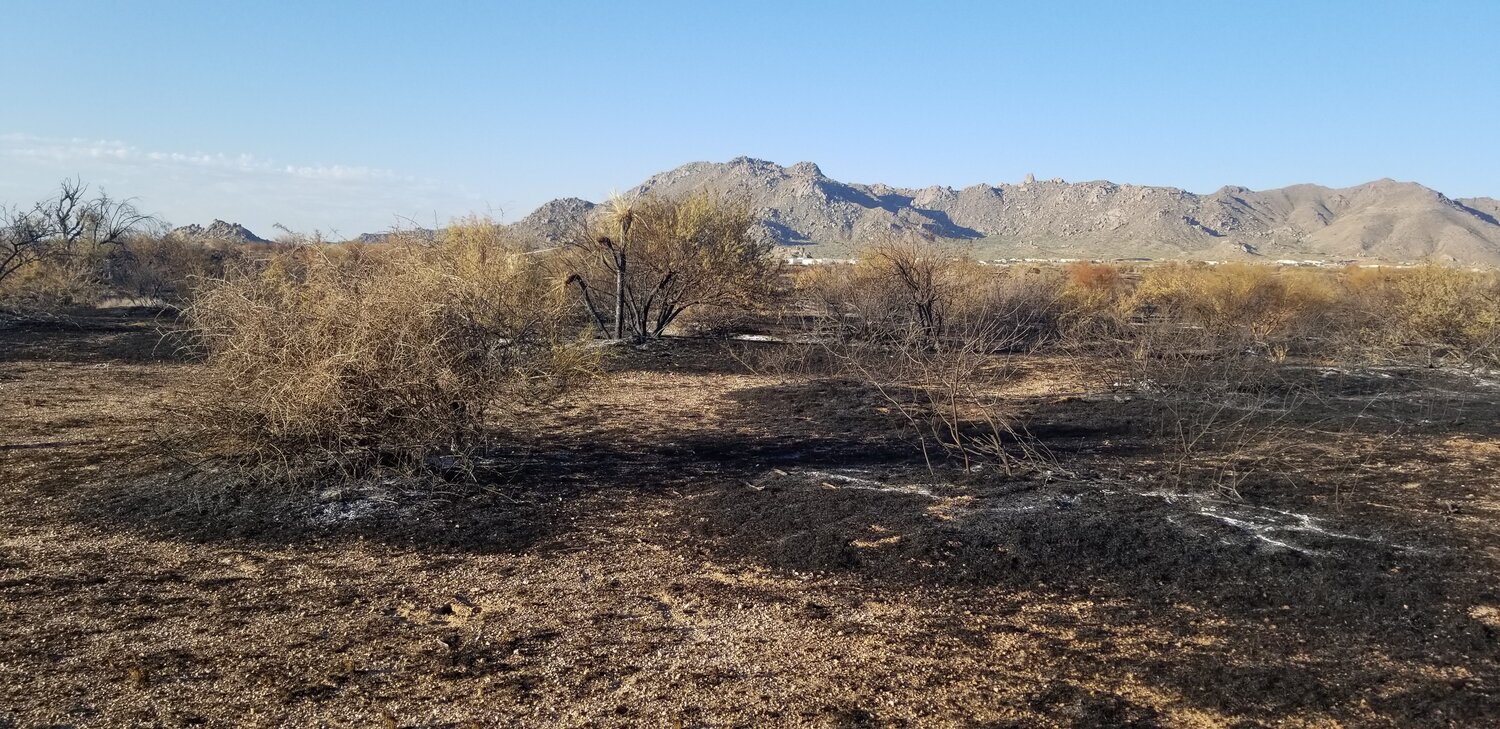
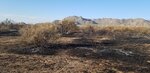
Sonoran Desert burned by the Diamond Fire seen with Tom’s Thumb in the background.
Courtesy McDowell Sonoran Conservancy
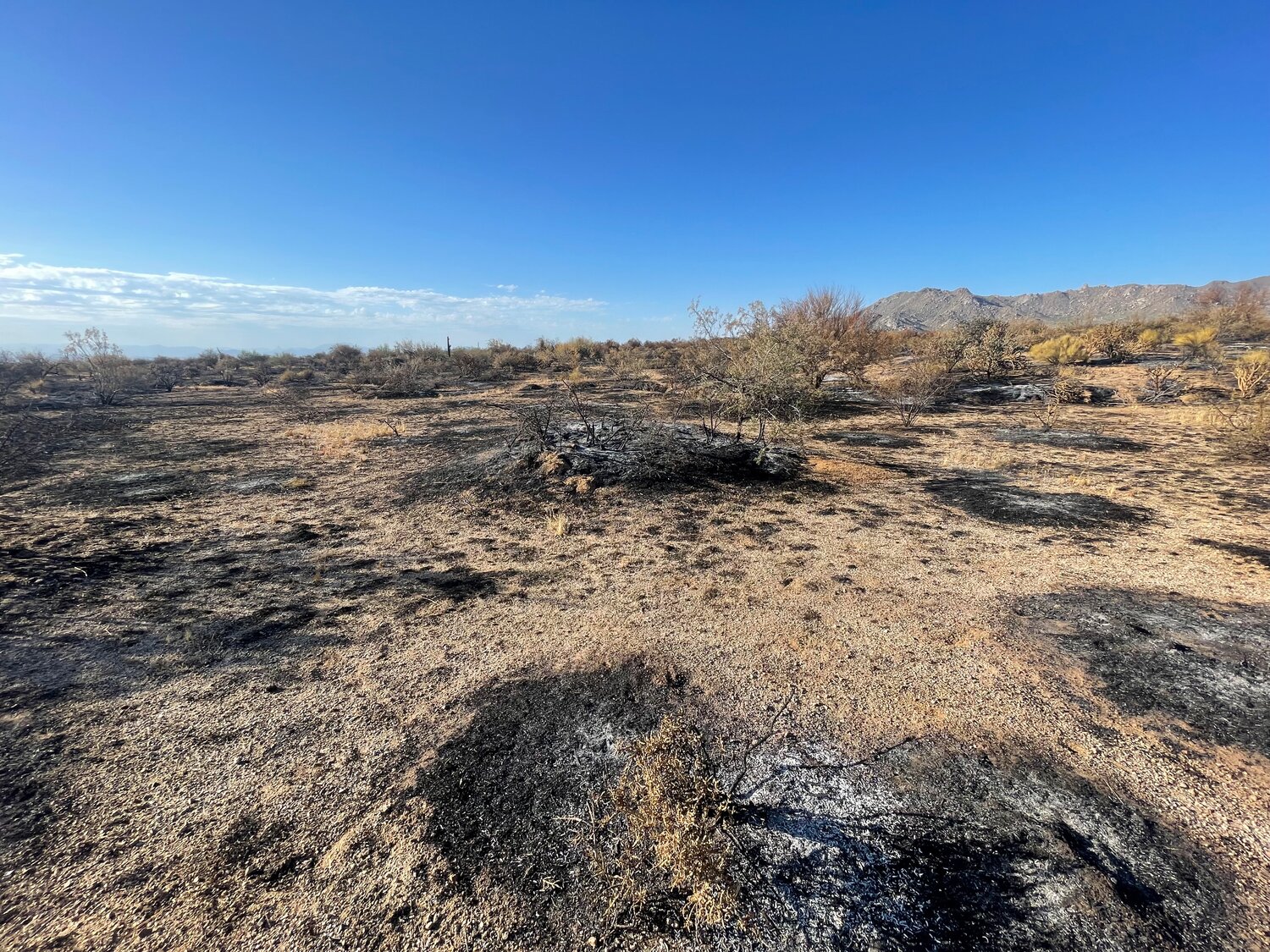
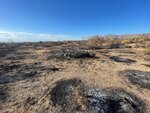
Part of the McDowell Sonoran Preserve here was burned by the Diamond Fire.
Courtesy McDowell Sonoran Conservancy
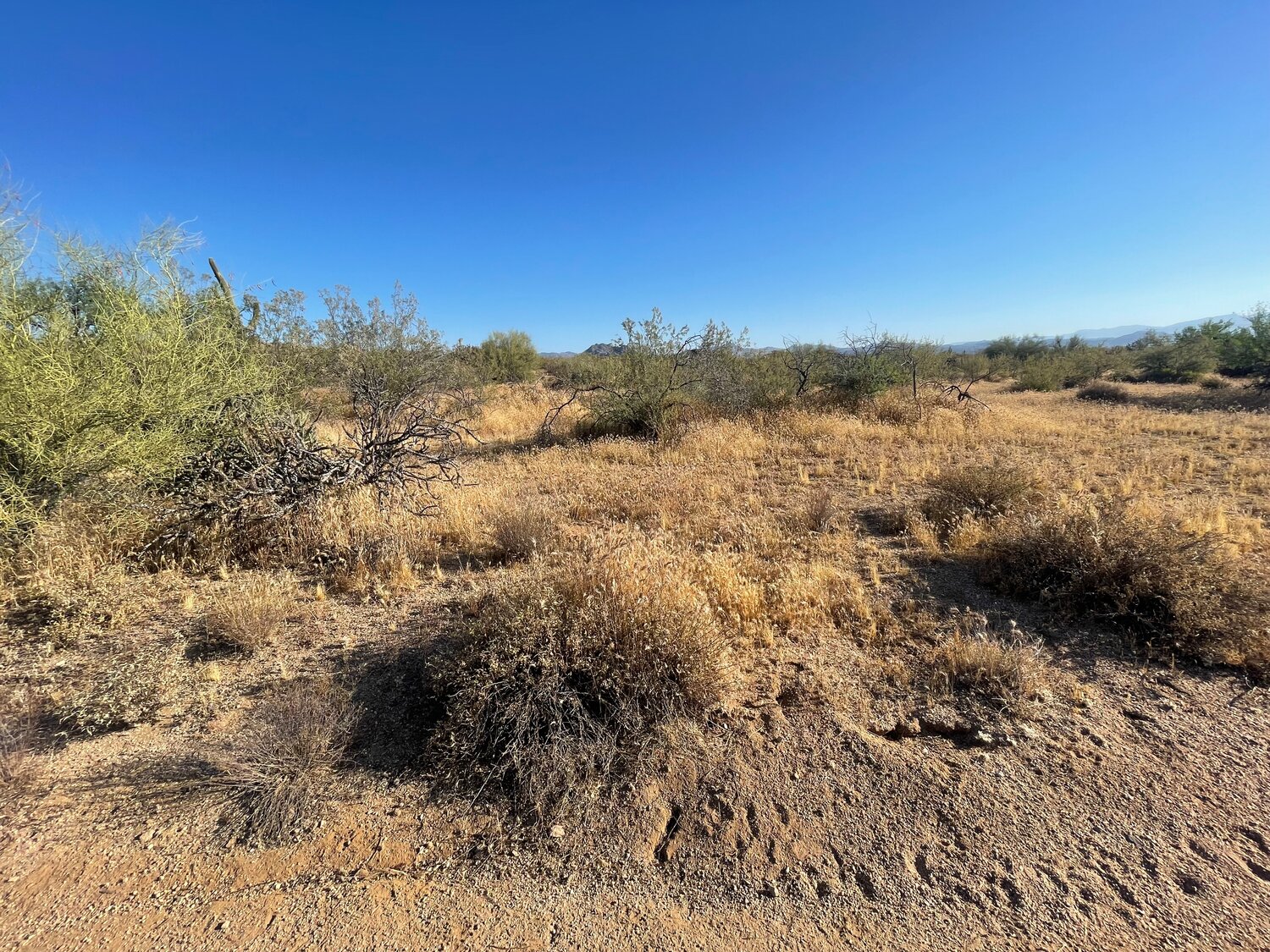
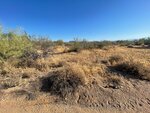
In comparison, an unburned area in the McDowell Sonoran Preserve has Red Brome. The light wheat-looking plant a dangerous invasive plant that threatens to take over the burned acres.
Courtesy McDowell Sonoran Conservancy
The Diamond Fire devastated nearly 2,000 acres of the Sonoran Desert on June 27, which included almost 300 acres in the McDowell Sonoran Preserve.
Unlike many ecosystems that are adapted to recover naturally from wildfires, burns in the Sonoran Desert call for human intervention to restore to a healthy native state.
“We are focused on action and restoration — research opportunities will come later once we are confident the area impacted by the Diamond Fire will have a healthy and native recovery,” Melanie Tluczek, director of science and education at the McDowell Sonoran Conservancy, said in a press release. “Our biggest concern right now is controlling the spread of invasive grasses, which have potential to create a dangerous food desert for wildlife like the Sonoran Desert tortoise, an important keystone species.”
You must be a member to read this story.
Join our family of readers starting at $5 for your first month and support local, unbiased journalism.
Click here to see your options for becoming a subscriber.
Register to comment
Click here create a free account for posting comments.
Note that free accounts do not include access to premium content on this site.
I am anchor
Wildlife
Diamond Fire: McDowell Sonoran Conservancy concerned for keystone species
Courtesy McDowell Sonoran Conservancy
A Sonoran Desert tortoise is outfitted with GPS equipment as part of the McDowell Sonoran Conservancy’s Tortoise Movement Study.
Courtesy McDowell Sonoran Conservancy
Sonoran Desert burned by the Diamond Fire seen with Tom’s Thumb in the background.
Courtesy McDowell Sonoran Conservancy
Part of the McDowell Sonoran Preserve here was burned by the Diamond Fire.
Courtesy McDowell Sonoran Conservancy
In comparison, an unburned area in the McDowell Sonoran Preserve has Red Brome. The light wheat-looking plant a dangerous invasive plant that threatens to take over the burned acres.
The Diamond Fire devastated nearly 2,000 acres of the Sonoran Desert on June 27, which included almost 300 acres in the McDowell Sonoran Preserve.
Unlike many ecosystems that are adapted to recover naturally from wildfires, burns in the Sonoran Desert call for human intervention to restore to a healthy native state.
“We are focused on action and restoration — research opportunities will come later once we are confident the area impacted by the Diamond Fire will have a healthy and native recovery,” Melanie Tluczek, director of science and education at the McDowell Sonoran Conservancy, said in a press release. “Our biggest concern right now is controlling the spread of invasive grasses, which have potential to create a dangerous food desert for wildlife like the Sonoran Desert tortoise, an important keystone species.”
Invasive grasses like Red Brome spread rapidly and can aggressively overtake habitats after a major disturbance like the Diamond Fire, according to the release. Many Sonoran Desert native plants like the saguaro are slow-growing species and will struggle to re-establish post-fire if left alone to compete with invasive species.
Without intervention, the burned area, known as the “Gooseneck,” will be overtaken by Red Brome and create a “food desert” for native wildlife that are not adapted to get needed nutrients from the nonnative grass, the release stated.
The Gooseneck is a narrow strip of land that connects the northern and southern parts of the preserve. Animals like the Sonoran Desert tortoise have no choice but to travel through it to reach different parts of their habitat. Without quality food sources from native plants, these tortoises could face a life-threatening journey traveling through the narrow corridor. As a keystone species, a drop in tortoise population will throw the entire Sonoran Desert ecosystem off balance, according to the McDowell Sonoran Conservancy.
The conservancy in collaboration with the city of Scottsdale currently conducting damage assessments from the fire and developing a restoration plan for the Gooseneck.
“Responding to situations like the Diamond Fire with proven, scientific strategies that will give the preserve’s ecosystem and wildlife like our Sonoran Desert tortoises the best chance to thrive — it’s exactly why the conservancy is here,” Kelly McCullough, CEO at the McDowell Sonoran Conservancy, said in the release.



Comments
No comments on this item Please log in to comment by clicking here