Arizona lawmaker crafts bill to have cameras installed in nursing home rooms
Residents would have option to place cameras
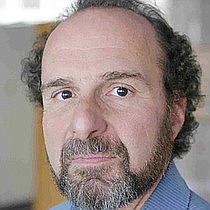
Rep. Quang Nguyen wants to ensure residents of nursing homes have the ability to install cameras in their private rooms. (Capitol Media Services/Howard Fischer)
PHOENIX — Saying it will prevent abuse, a Prescott lawmaker wants to ensure residents of nursing homes have the ability to install cameras in their private rooms.
The legislation crafted by Republican Rep. Quang Nguyen also would apply to those in assisted living facilities.
The idea has resonated with his colleagues. His House Bill 2785 has cleared the House with just two lawmakers in opposition. It now is in the Senate.
You must be a member to read this story.
Join our family of readers starting at $5 for your first month and support local, unbiased journalism.
Click here to see your options for becoming a subscriber.
Register to comment
Click here create a free account for posting comments.
Note that free accounts do not include access to premium content on this site.
I am anchor
Health Care
Arizona lawmaker crafts bill to have cameras installed in nursing home rooms
Residents would have option to place cameras
Rep. Quang Nguyen wants to ensure residents of nursing homes have the ability to install cameras in their private rooms. (Capitol Media Services/Howard Fischer)
PHOENIX — Saying it will prevent abuse, a Prescott lawmaker wants to ensure residents of nursing homes have the ability to install cameras in their private rooms.
The legislation crafted by Republican Rep. Quang Nguyen also would apply to those in assisted living facilities.
The idea has resonated with his colleagues. His House Bill 2785 has cleared the House with just two lawmakers in opposition. It now is in the Senate.
But getting it enacted still remains an issue. Nguyen pushed a similar measure out of the House last year despite opposition from the industry. That apparently had an effect as that version could not even get a hearing in the Senate.
This year Nguyen is back with a far less complex measure, with provisions all aimed at the operators of these facilities prohibiting them from:
• Barring current or potential residents from installing and using electronic monitoring in their own rooms;
• Removing a current resident or refuse to admit one who wants the monitoring;
• Retaliating against residents who consent to — or, conversely, refuse to consent — to monitoring.
But in each case, Nguyen said, the decision would remain with the resident, though he said the legislation is broad enough to allow such decisions to be made by a family member if the person is incapable of making a decision.
Nguyen did have to agree to one limitation to line up the votes: The legislation applies only to those whose services in the nursing home or assisted living facility is paid, at least in part, with public funds. Other residents would not have such a right.
“You have to crawl before you can walk,” he told Capitol Media Services.
Even with that, the measure generated opposition from a lobbyist from Arizona LeadingAge, an organization that represents not-for-profit assisted living communities and nursing homes.
Nguyen said there’s nothing unusual about what he wants.
“If I rent a space in a facility, I want to be able to put a camera in there, I ought to be able to do that,” he said. It’s no different, said Nguyen, than someone renting an apartment.
He said he crafted it in a way that there’s no cost on the facility’s owner.
“I would even offer to pay for the camera, internet access, anything you want, just so I can see my parents, my loved ones, in a care facility,” Nguyen said.
Mary Isaacson, who lobbies for Arizona LeadingAge, said what’s missing from all of that is the practical effects of having “surveillance cameras” in the private rooms of residents.
“It takes away their dignity and the respect that they’ve earned at this point in their life,” she told lawmakers who were reviewing the bill.
What it comes down to, Isaacson said, is what the camera would capture.
“When you’re in assisted living, you’re receiving assistance with activities of daily living,” she said.
“There’s a lot of bathing, exchanging briefs, et cetera, that are very private, personal,” Isaacson said. “And no one would want that video camera.”
Nguyen said he has a different take on what all that means.
“We want to create an environment with dignity,” he said.
“But tell me how much dignity is being involved when you’re being beaten up?” Nguyen said. “Tell me what dignity means when your clothes (are) being
In pushing his bill to colleagues, he reminded them he and they are likely to wind up in assisted living or nursing homes in a few decades.
“I don’t care about dignity,” Nguyen said.
“At that point, if you’ve got to change my diaper, you change my diaper,” he continued. “But no one should have to put up with being beaten up, threatened, hurt.”
Nguyen said if two people are sharing a room, both would have to consent to having a camera.
Less clear is who gets to make the decision.
As crafted, Nguyen said it is the facility resident. But he acknowledged there may be situations where family members might consider the relative to be incapable of making that decision.
Nguyen said the legislation is broad enough to allow the family member, concerned about a relative, to decide to place the camera. But he said absent someone being formally adjudicated as incompetent, if there is a dispute the final decision has to be made by the resident.
Isaacson told lawmakers there are other issues.
“Residents choose assisted living because they want a home-like environment,” she said. “Home-like environments don’t typically have a video camera, a surveillance camera, a sign posted outside your door that says, ‘Caution: There’s a surveillance camera in use.’”
Isaacson also said it could undermine the relationship between the caregiver and the resident.
“It immediately sends a message that ‘You don’t trust me as your caregiver,’” she said, and might limit the amount of time the caregiver would normally spend with the resident.
And Isaacson said some employees might choose to quit if they don’t feel comfortable with the monitoring.
Nguyen, however, told Capitol Media Services anyone who won’t work as if they’re being watched should probably not be a caregiver.
Dana Kennedy, state director of AARP Arizona, said the legislation is popular with her members, with 87% in favor. She echoed Nguyen’s comments about the rights of those in the facilities, saying they are entitled to make the same decisions about monitoring devices as those who own or rent homes.
Only two lawmakers voted against the proposal when it cleared the House. One objection came from Rep. Ralph Heap who questioned whether cameras would really solve the problem of resident abuse.
“If you wanted to abuse the patient, unless we add cameras to the bathrooms also, couldn’t they just take the patient into the bathroom?” he asked.
No date has been set for a Senate hearing.


 By
By 


Comments
No comments on this item Please log in to comment by clicking here