At first glance, Arizona’s booming population and decades-long drought might seem like a recipe for soaring water demand. Instead, many cities across the state are telling a different story.
From Tucson to Phoenix, residents are using significantly less water per person than they did a generation ago. Cities credit everything from replacing thirsty grass lawns with desert landscaping to installing more efficient plumbing fixtures and encouraging conservation through rebate programs.
The result is a surprising trend: Arizona has added hundreds of thousands of residents while many communities have reduced the amount of water each person uses every day.
Cities cutting down usage
In Tucson, the average resident used about 121 gallons of water a day in 1996. Today, that number is about 74 to 76 gallons, according to Tucson Water’s FY 2023-24 Water Conservation Program Report, which attributes the decline to tiered water rates, conservation education and rebate programs.
Phoenix has experienced a similar shift. According to the City of Phoenix Water Services Department, total residential water demand has fallen by about 12.5% despite substantial population growth, while per-capita residential water use has declined by roughly 29% since 1990.
City officials credit more efficient plumbing fixtures, appliance upgrades and the replacement of grass lawns with drought-tolerant landscaping.
Across the Valley, water conservation has become part of everyday life.
In Glendale, city officials reported a 19% reduction in municipal water use during a Stage 1 Drought Watch, far surpassing the city’s initial 5% conservation goal.
Much of the savings came from replacing nonfunctional turf with xeriscape landscaping and expanding water-efficiency efforts. The city also continues to offer rebates to encourage residents and businesses to convert grass landscapes to low-water-use designs.
Other cities are preparing for an uncertain water future as well.
Scottsdale, which receives roughly 70% of its water from the Colorado River, remains under the first stage of its drought response plan and is asking residents and businesses to voluntarily reduce water use by 5%. The city also offers rebates for grass removal, smart irrigation controllers and other water-saving improvements.
New standards
Cities are also paying closer attention to large commercial water users.
Municipalities including Phoenix, Mesa, Chandler, Avondale and Marana have adopted or proposed policies limiting water consumption by industrial facilities and data centers. Chandler has established water-use standards for new data centers, while Marana prohibits the use of potable water for data-center cooling, reflecting a broader effort to balance economic development with long-term water security.
Homeowners are also being encouraged to do their part. Across metro Phoenix, cities offer financial incentives for replacing traditional grass lawns with drought-tolerant landscaping. Depending on the community, rebates range from hundreds of dollars to as much as $5,000 for qualifying landscape conversions.
While Arizona’s water challenges are far from over, cities are showing that population growth does not necessarily have to mean higher water consumption. Instead, officials say, long-term planning, infrastructure improvements and public participation are helping Arizona stretch every drop.
For a state where water has long shaped its future, the data suggests conservation efforts are making a measurable difference.
Matt Loeschman has had two separate stints at Independent Newsmedia. He began as a reporter covering Peoria and later Surprise from 2000-2009. In 2017, he returned to Arizona and INI as the news editor of the Daily News-Sun (now the Phoenix Independent). He previously covered the Arizona Rattlers of the Indoor Football League for more than a decade.
Community: During high school football season since 2017, he contributes live postgame radio reports to the AIA Friday Night Football Wrap Up Show. He supports organizations such as Phoenix Children’s, Boys and Girls Clubs of the Valley and the American Cancer Society.
Education: The University of Texas at Austin majoring in Journalism-News and Public Affairs.
Random Fact: He can sing and he has been fortunate to meet many famous people during his journalism career including First Lady Hillary Clinton, King of Country Music George Strait and Oscar-winning actor Matthew McConaughey. Attended all 4 home games of the 2001 World Series.
Hobbies: Watching and playing a wide variety of sports, including golf, tennis, pickleball and softball. Playing PlayStation 5, working out, shopping and reading.


 By
By 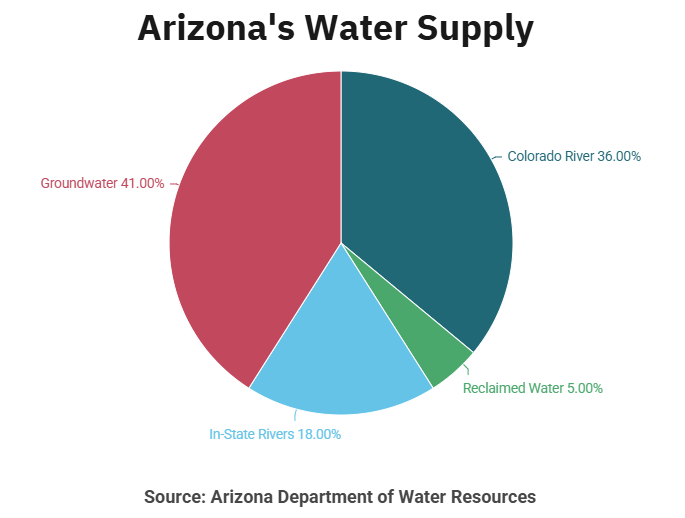


Comments
No comments on this item Please log in to comment by clicking here