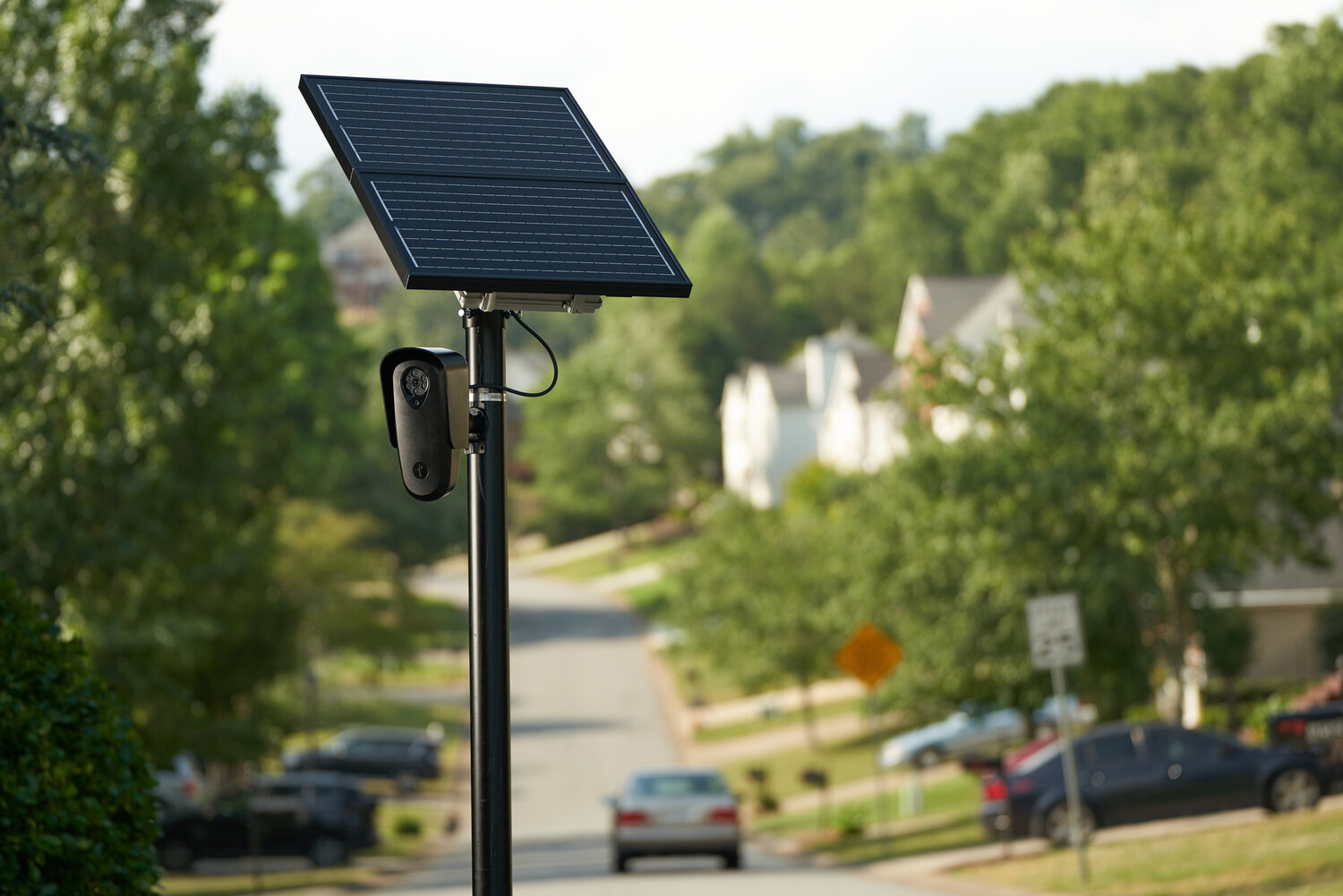
After weeks of backlash and national issues surrounding Flock cameras and data sharing, Tempe has turned off all cameras across the city and will not seek another automatic license plate reader contract.
The change comes after weeks of internal discussion by council and new Councilmember Bobby Nichols, after several discussions with the council even before he was elected.
“The consistency and the data-driven approach that I brought to the table to help our residents, I was really grateful to see that my colleagues were on board with more discussions about this as well,” Nichols said.
Unlike speed cameras and other police tools that look for vehicles involved in previous crimes, Flock cameras scan and store all vehicle license plates, which Nichols said has the potential to target people not involved in criminal activity.
Mayor Corey Woods said there was “no misuse whatsoever” by Tempe Police in their use of Flock cameras; however, Woods said there was a concern about the potential for misuse that finalized the decision to pull the plug.
Woods and City Manager Rosa Inchausti made the decision final, deciding that because of the potential for data misuse and overall privacy concerns, the city could turn off all ALPR cameras.
Tempe isn’t the first or only Valley city to end its relationship with Flock. On Aug. 18, the city of Surprise canceled its contract with Flock after a police officer was placed on leave and accused of misusing data and footage. The city is looking for a replacement service.
Nichols said this could be the start of a growing movement to remove them altogether.
“I’ve been in rooms with the Democratic-Socialists and the Libertarian Party having conversations about this outcome, and I’m really proud that Tempe is the first to announce that they are not looking for a replacement,” he said.
Flock said it has assisted in more than 1 million cases and helped to reunite more than 10,000 people who have gone missing.
Woods said he believes the cameras can assist with crime-solving efforts, but their existence creates a trust issue in the community.
“It’s not Flock itself, but the technology as a whole is too big of a risk to keep operating and eroding the public trust,” Woods said.
Woods said this was one of the reasons the council decided not to seek another contractor and instead listen to residents about public concerns for the months ahead.
Nichols, an attorney who also works as an assistant attorney general, said = the issue is bigger than crime, and more about adhering to the Constitution.
“The wide-ranging nature of these searches and seizures and personally identifying data that are performed inherently by automated license plate readers are exactly what our founding fathers were trying to prevent when they set forth the Fourth Amendment,” he said. “Our law enforcement agencies worked just fine before we had ALPR technology.”
The next city council meeting is 6 p.m. Monday, Aug. 31, at in the city council chambers.
To voice your opinion on this story, connect with us at AzOpinions@iniusa.org.
Madeline Bates joined Independent Newsmedia in 2025 as a Phoenix/Tempe reporter. Before graduating college, she spent a semester in Washington as a Congressional reporter in the first 100 days of the second Trump administration. But local news is where her heart is. She is excited to be in Phoenix full time and exploring new parts of the city (as long as they have AC).
Community: After living in East Phoenix for two years, she fell in love with Paradise Valley, Mesa, Tempe, and everywhere in between. She recently discovered the beauty of the South Mountain Reserve and hopes to continue exploring should the weather comply.
Education: Madeline has a degree in Journalism and Mass Communications from Arizona State University’s Walter Cronkite School of Journalism and a certificate in Political History and Leadership.
Random Fact: She is a self-taught nail tech. No, she cannot do your nails.
Hobbies: Hiking (when its not 100 degrees), fiction writing, cooking, baking and trying new coffee shops.

 By


Comments
No comments on this item Please log in to comment by clicking here