‘Call to arms’ — Why every Arizonan must join the fight against fentanyl
Posted
Tenè Marion
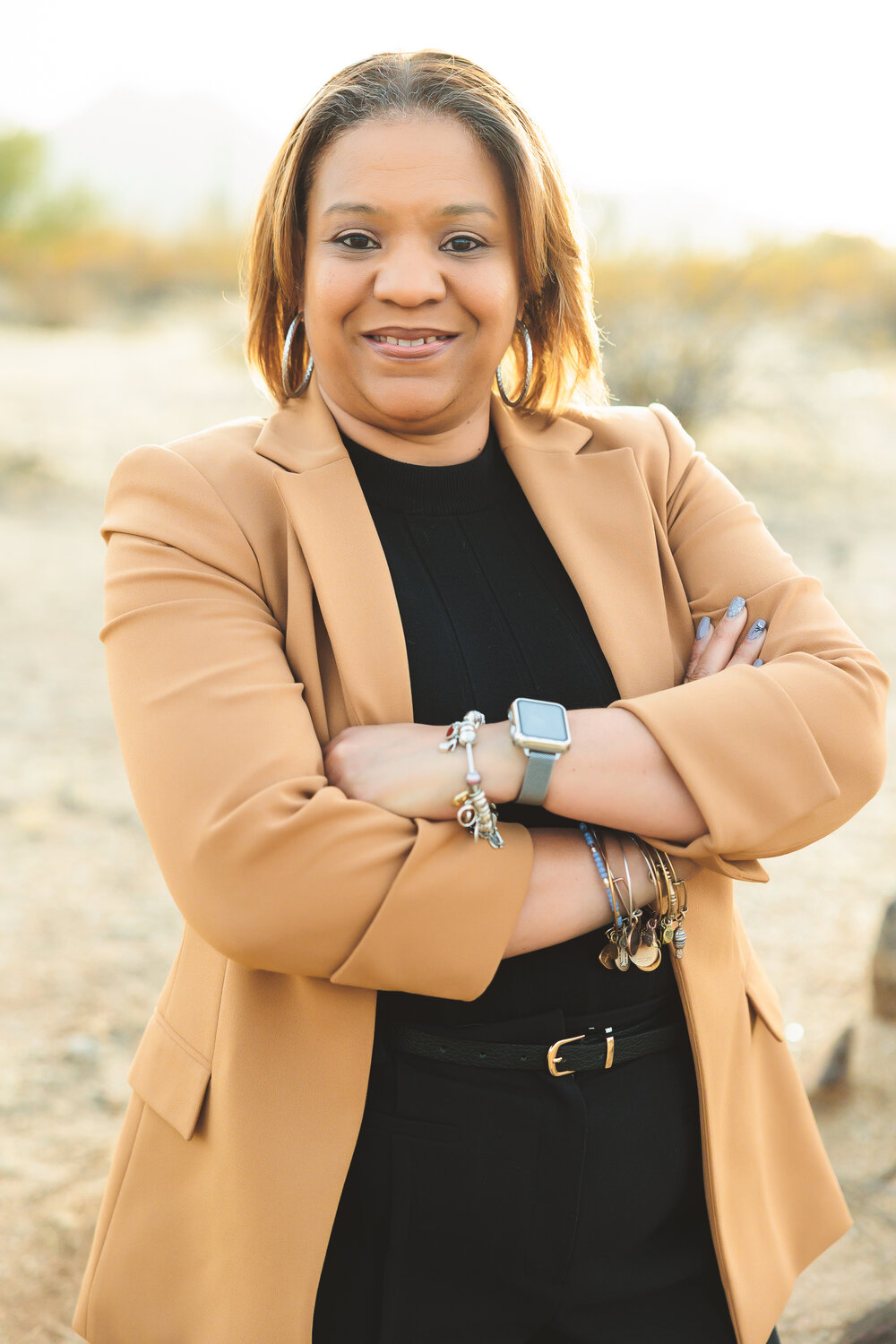
Submitted photo/Molly Bruce Photography
We’ve learned with recent data that fentanyl played a role in 76% of drug-related deaths among 14- to 23-year-olds in Arizona. And it’s not just teens who are at risk. Even more heartbreaking, there were eight deaths of children younger than 5.”
By Tenè Marion | Arizona Department of Child Safety
Fentanyl has found its way into nearly every community in Arizona, from urban neighborhoods to rural towns. As this synthetic opioid continues to take lives at an alarming rate, it’s no longer an issue we can ignore or leave to someone else to solve. It is a crisis that demands an all-hands-on-deck response — from parents and schools to policymakers and healthcare providers.
Originally developed as a powerful painkiller, fentanyl is now frequently mixed into counterfeit pills and street drugs, often without the user even knowing it. The result? Accidental overdoses, hospitalizations and funerals.
Families are losing children, siblings and parents with little or no warning. And the hardest truth? Many of these lives could have been saved with awareness, education and early intervention.
The state of Arizona has taken steps in the right direction, supporting prevention efforts, increasing access to naloxone and strengthening public awareness campaigns. But the fight is far from over.
Local school districts and community organizations have begun implementing prevention programs, yet not every student or family is reached. We need to ensure that every child — from elementary through high school — and every adult understands the deadly risks associated with fentanyl.
We’ve learned with recent data that fentanyl played a role in 76% of drug-related deaths among 14- to 23-year-olds in Arizona. And it’s not just teens who are at risk. Even more heartbreaking, there were eight deaths of children younger than 5. Toddlers can mistake pills for candy if they’re not safely stored. It may take the whole family to keep them out of reach from children and it’s worth the effort.
Protect your home environment
If you keep prescription medications in your home, make sure they’re stored securely and locked away. It’s a simple but powerful way to protect your children. Young kids may make a mistake and teens might not understand how severe a single pill can be.
As someone who works with families across Arizona at the Department of Child Safety, I can tell you this: don’t wait for something to go wrong to start talking to your children. The earlier you start the conversation, the stronger your prevention efforts will be.
Have the hard convo
You don’t have to be an expert on drugs to have meaningful conversations with your kids. Be the buzzkill and have the difficult, potentially life-saving conversation. These talks are not optional; they are essential.
We must treat drug education with the same urgency and consistency as fire drills and health classes. Ask them what they’re seeing online, hearing in school or talking about with friends. Make sure they know that counterfeit pills can look exactly like legitimate medications — even ones found in your own bathroom cabinet. One pill can be fatal, and many young people don’t realize the risk until it’s too late.
Stay alert to behavioral changes
While every child is different, here are a few common signs that could indicate something might be wrong:
• Sudden shifts in mood or social circles
• Avoiding family interactions or becoming unusually withdrawn
• Sleep problems or extreme tiredness
• Missing items or unexplained money issues
If you see any of these, respond with care, not fear. Ask questions with compassion and curiosity, not judgment. These early moments of connection can be the most important.
We need to foster a culture of compassion, not condemnation. Recovery is possible. Families can heal. Communities can become safer when they work together.
We owe it to our children, our neighbors and ourselves to treat this crisis with the seriousness it deserves. Together, we can stop the spread of fentanyl and protect the future of Arizona.
Resources that can help
If you are directly affected by fentanyl, know that you’re not alone. Visit FentanylFreeAZ for real facts, conversation starters and family safety tips.
If you need to talk or are looking for prevention or treatment support, call Arizona Substance Abuse Prevention at 1-800-662-HELP (4357) anytime, day or night.
We can’t control everything, but we can give our people the tools, truth and love they need to stay safe.
Whether you're a teacher, coach, business owner or student, there's a role for you to play because every voice counts.
Editor’s note: Tenè Marion is prevention administrator for the Arizona Department of Child Safety. Please send your comments to AzOpinions@iniusa.org. We are committed to publishing a wide variety of reader opinions, as long as they meet our Civility Guidelines.



Comments
No comments on this item Please log in to comment by clicking here