Banner Alzheimer’s Institute trains primary care physicians
Virtual learning program on treating cognitive disorders
(Banner Alzeheimer's Institute/submitted photo)
A brain scan used by clinical experts and researchers at Banner Alzheimer’s Institute to better understand the disease, as well as other forms of dementia.
(Banner Alzheimer's Institute/submitted photo)
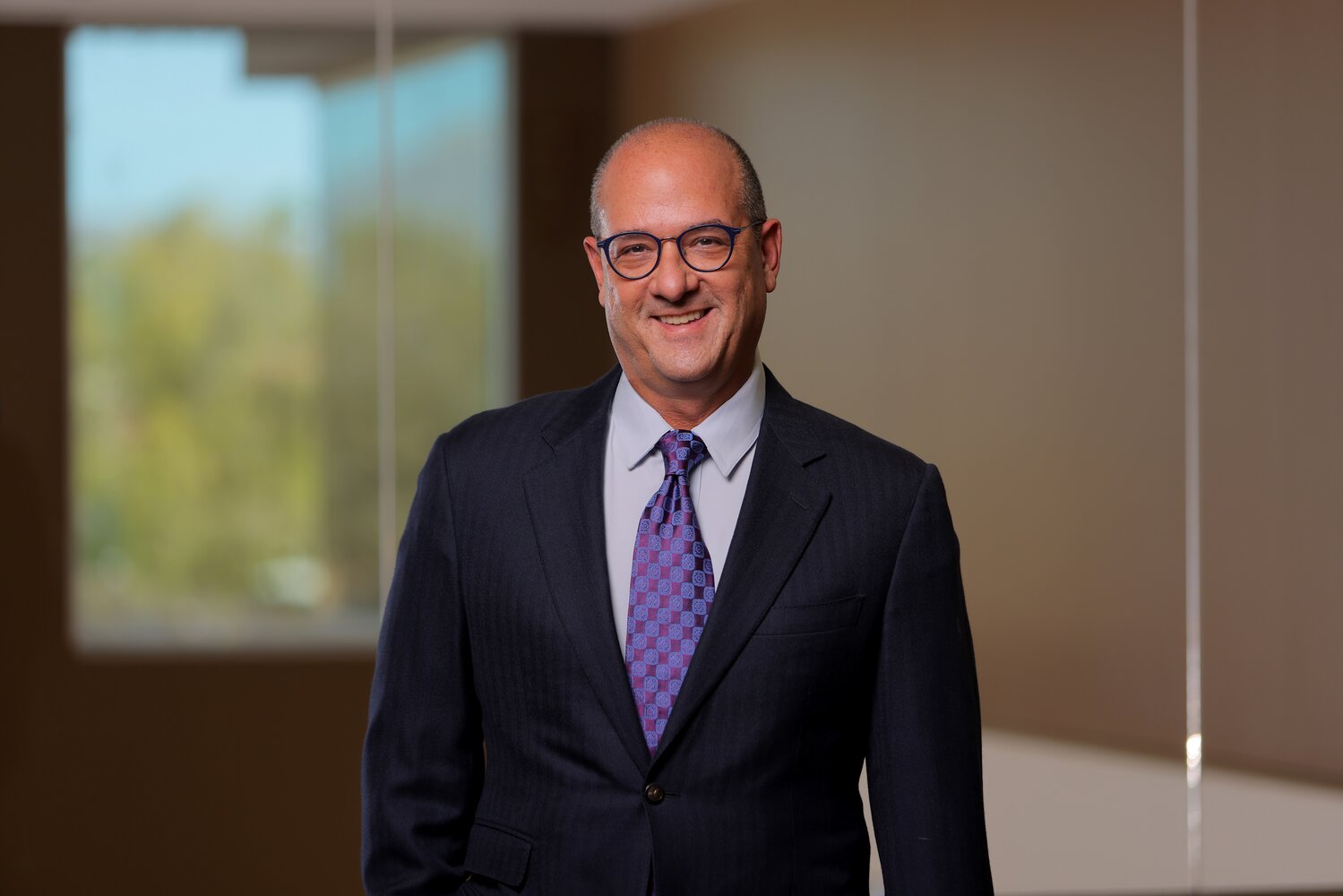
Dr. Ganesh Gopalakrishna, Banner Alzheimer’s Institute
A new course offered by the Banner Alzheimer’s Institute gives physicians in the Sun Cities and other primary care professionals help with effective treatment methods for patients with cognitive disorders.
The Banner Alzheimer’s Institute Dementia Extension for Community Healthcare Outcomes is a 12-week course with sessions running once every two weeks. The course will begin Wednesday, Jan. 24, and will aim to help medical providers feel more confident about caring for patients and caregivers living with dementia, according to a press release from Banner Health.
“As a primary care and palliative physician, I have found the ECHO program to be an incredibly valuable resource,” Dr. Sam Downing, MD, who specializes in outpatient palliative medicine in Prescott, stated in the press release. “It is refreshing to have ready access to experts in the field of dementia care, with cutting-edge information and research presented regularly.”
Also in the press release was a breakdown of what the training sessions will consist of. For each one-hour session, program participants will connect virtually with instructor and mentors who specialize in Alzheimer’s and related dementias. Each session will include brief lectures to share evidence-based practices in care across a range of topics such as: evaluating dementia, medications, behavior management, disease progression, caregiver support, conveying diagnoses, prognoses, and managing difficult issues such as driving, advance directives and end-of-life care.
In addition, participants will have the opportunity to present challenging patient cases (de-identified) for expert advice and discussion.
According to Dr. Ganesh Gopalakrishna, Banner Alzheimer’s Institute, this program came to fruition after he took an idea to his director who was working on a philanthropic task and knew of an opportunity of a donation and this ECHO program was suggested.
Dr. Gopalakrishna and all other physicians have requirements for certification and this program provides those credits needed. He said health professionals already have the mindset of a lifelong learning process and continuing to improve and educating themselves on training opportunities.
“If you think about it there is about 6 million Americans with dementia and it will continue to rise in the next decade and the number of geriatric physicians has declined and so even if train a bunch of folks over the next 30 years, we will not have enough people to take care,” Dr. Gopalakrishna said.
He said it is important to train the physicians and paraprofessionals to take care of patients with dementia in all settings because currently specialist can only care for 10% of dementia patients. Collaborative care allows for a primary care provider to give care to patients in the office, he added.
“Unfortunately, the reality is the majority of patients who have dementia will never have the diagnosis and a large number of them who have the diagnosis will not end up on the right medications. So it is one thing to refer patients as a primary care physician and that also means we are taking on all these patients and we don’t have the bandwidth and they end up waiting a long time. And on the other hand there can be harm for those undiagnosed and not supported,” Dr. Gopalakrishna said.
The bottom line, he said, is this ECHO program can help to identify the diagnoses in patients and help these individuals manage it.
Being able to disseminate the knowledge across a bigger population instead of just a select number of people who can come into a specialist’s office encourages him to continue being a part of the program and enhancing education in the community.
The program began in May 2020 and 491 participants have taken part, and in 2023 there were 342 participants.
Having this knowledge in a primary care physicians office also aids caregivers, according to Dr. Gopalakrishna.
“Caregivers are an integral part of the treatment team who take care of the patient on the front lines and know all behaviors and cognitive issues and this can be burdensome, but this offers support,” he said. In this program there are specific topics geared towards caregivers and how to provide support and resources and be another member of the team.
Banner Health Senior Outreach Program Manager Janice Greeno said ECHO is vital for many reasons.
“Banner Alzheimer Institute’s ECHO program helps to support not only our caregivers and carepartners and people living with dementia, but provides support for the whole care team. This program is inclusive of so many disciplines including physicians, psychologists, pharmacists, occupational therapists and social workers because it takes a team too support people living with dementia,” she explained.
Arizona is projected to be the fastest state growing in the nation with 200,000 individuals expected to be diagnosed by 2025, which is more than 33% growth by 2025, Greeno said according to the Alzheimer’s Association. Greeno said this is why it is critical to come alongside neighbors, friends and family to support them through the journey.
HonorHealth Neurology Director Dr. Todd Levine said an important factor for individuals seeking care is to understand what dementia is. He said it means progressive loss of memory. He said it really comes down to history of the person. Was this person like this six months, a year ago and now possibly cannot pass a baseline level of function test, for example.
“The family gives us the relevant information versus the patients. Us as neurologist see the person that truly suffers is not aware there is a problem and it’s the people around them,” Dr. Levine said.
The earlier the diagnosis the more options there are for medications and waiting is not a good option, he said.
“This data relates to more Parkinson’s disease looking at care claims over the past decade and for a only 9% saw a movement expert and only 40% saw a neurologist in the past year and the vast majority are going to primary care,” Dr. Levine explained.
At HonorHealth, he said officials are trying teach primary physicians how to do a quick five minute screen to decide if there is something to worry about. Dr. Levine said people equate dementia with Alzheimer’s and there are many types of dementia.
“Understand we have treatments for specific types and it is essential to not just say a loved one is losing their memory, rather get a good evaluation and try to understand the cause of it,” he added.
Medical professionals interested in participating should contact BAIECHO@BannerHealth.com and visitbannerhealth.com/DementiaECHO for more information.
We’d like to invite our readers to submit their civil comments, pro or con, on this issue. Email AZOpinions@iniusa.org.
Jennifer Jimenez can be reached at jjimenez@iniusa.org, or on Twitter @scw_independent.
In 2020, Jennifer Jimenez began working for Independent Newsmedia, Inc., USA. She began her career as a sports reporter in Peoria and Glendale, covering the very same schools she used to compete at. During this time, she also worked for television news, magazines and sports radio stations.
Community: Jennifer is a member of the Hall of Fame at Peoria High School where she graduated in 2001, alongside her father Joe Hernandez. She serves youth soccer players as a pro-trainer and coach.
Education: Grand Canyon University 2005 B.A. Liberal Arts
Ranom Fact: She has a street named after her in south Peoria “Jennifer Rose Court.”
Hobbies: Country dancing, coaching soccer, teaching private swim lessons and running are things she does for fun.




 By


Comments
No comments on this item Please log in to comment by clicking here