A family of five claiming to be from Guatemala and a man stating he was from Peru, in pink shirt, walk through the desert after crossing the border wall in the Tucson Sector of the U.S.-Mexico border on Aug. 29, 2023 in Organ Pipe Cactus National Monument near Lukeville. (The Associated Press/Matt York)
After years of record-breaking migrant crossings, Arizona’s southern border is experiencing a dramatic slowdown.
After recording more than 564,000 migrant apprehensions in fiscal year 2024, Arizona’s Tucson and Yuma border sectors saw encounters decline to approximately 65,813 apprehensions in fiscal year 2025 — an 88% decrease, according to data from U.S. Customs and Border Protection.
Fiscal year 2026 totals are tracking even lower, reflecting changes in federal border enforcement and migration patterns.
You must be a member to read this story.
Join our family of readers starting at $5 for your first month and support local, unbiased journalism.
Click here to see your options for becoming a subscriber.
Register to comment
Click here create a free account for posting comments.
Note that free accounts do not include access to premium content on this site.
I am anchor
DATA DRIVEN
Border crossings in Arizona fall dramatically
A family of five claiming to be from Guatemala and a man stating he was from Peru, in pink shirt, walk through the desert after crossing the border wall in the Tucson Sector of the U.S.-Mexico border on Aug. 29, 2023 in Organ Pipe Cactus National Monument near Lukeville. (The Associated Press/Matt York)
After years of record-breaking migrant crossings, Arizona’s southern border is experiencing a dramatic slowdown.
After recording more than 564,000 migrant apprehensions in fiscal year 2024, Arizona’s Tucson and Yuma border sectors saw encounters decline to approximately 65,813 apprehensions in fiscal year 2025 — an 88% decrease, according to data from U.S. Customs and Border Protection.
Fiscal year 2026 totals are tracking even lower, reflecting changes in federal border enforcement and migration patterns.
Arizona became the nation’s busiest corridor for unauthorized border crossings in 2024, following another record-setting year in 2022, when roughly 571,000 migrant encounters were documented across the state’s border sectors, Border Patrol data shows.
The recent decline marks one of the sharpest year-over-year decreases in border apprehensions in recent history.
Policy changes cause shift
The steep dropoff follows a series of immigration policy changes in both the United States and Mexico that have reshaped the journey north for thousands of migrants.
The shift began in mid-2024, when the Biden administration temporarily restricted access to asylum after daily border crossings exceeded established thresholds. The order allowed federal officials to quickly return many migrants without processing their asylum claims, contributing to an immediate decline in crossings.
That trend accelerated after the 2025 presidential transition, when the Trump administration introduced stricter enforcement measures designed to end the practice of releasing many migrants into the United States while they awaited immigration hearings. Federal officials said the approach emphasized detention, faster removals where legally authorized, and increased deportations to discourage future crossings.
Mexico actions
South of the border, Mexico also intensified its efforts to slow migration.
Beginning in 2024, Mexican authorities increased patrols and intercepted migrants before they reached the U.S. border, transporting many back to southern Mexico. The added distance, cost, and uncertainty made the journey to Arizona significantly more difficult for many people.
Immigration analysts say no single policy explains the decline. Instead, they point to a combination of stricter enforcement, closer cooperation between the United States and Mexico, changing migration routes, and evolving conditions in migrants’ home countries.
For Arizona communities that have spent years at the center of the nation’s immigration debate, the quieter border represents a big change. Border agents are encountering fewer migrants, shelters that once struggled to accommodate daily arrivals have seen demand ease, and local officials are adjusting to a landscape that looks far different from the record-setting migration surges of just two years ago.
New challenges
But as migrant crossings at Arizona’s busiest border sectors continue to decline, a new challenge is emerging in the state’s remote desert regions.
With official ports of entry and heavily trafficked crossing corridors under increased surveillance, human smugglers are increasingly directing migrants to travel through isolated areas of the Sonoran Desert. The longer, more hazardous routes expose migrants to extreme heat, dehydration, rugged terrain, and other life-threatening conditions.
The shift has placed new demands on U.S. Border Patrol search-and-rescue teams and local humanitarian organizations, which report responding to more emergencies involving migrants who become lost or stranded in remote desert areas.
While overall apprehensions have fallen sharply from recent record highs, rescue operations remain a critical part of border response efforts as migrants attempt to avoid heavily monitored crossing points.
Officials say the changing migration patterns underscore that fewer border apprehensions do not necessarily translate into fewer humanitarian risks for those attempting the journey.
Matt Loeschman has had two separate stints at Independent Newsmedia. He began as a reporter covering Peoria and later Surprise from 2000-2009. In 2017, he returned to Arizona and INI as the news editor of the Daily News-Sun (now the Phoenix Independent). He previously covered the Arizona Rattlers of the Indoor Football League for more than a decade.
Community: During high school football season since 2017, he contributes live postgame radio reports to the AIA Friday Night Football Wrap Up Show. He supports organizations such as Phoenix Children’s, Boys and Girls Clubs of the Valley and the American Cancer Society.
Education: The University of Texas at Austin majoring in Journalism-News and Public Affairs.
Random Fact: He can sing and he has been fortunate to meet many famous people during his journalism career including First Lady Hillary Clinton, King of Country Music George Strait and Oscar-winning actor Matthew McConaughey. Attended all 4 home games of the 2001 World Series.
Hobbies: Watching and playing a wide variety of sports, including golf, tennis, pickleball and softball. Playing PlayStation 5, working out, shopping and reading.


 By
By 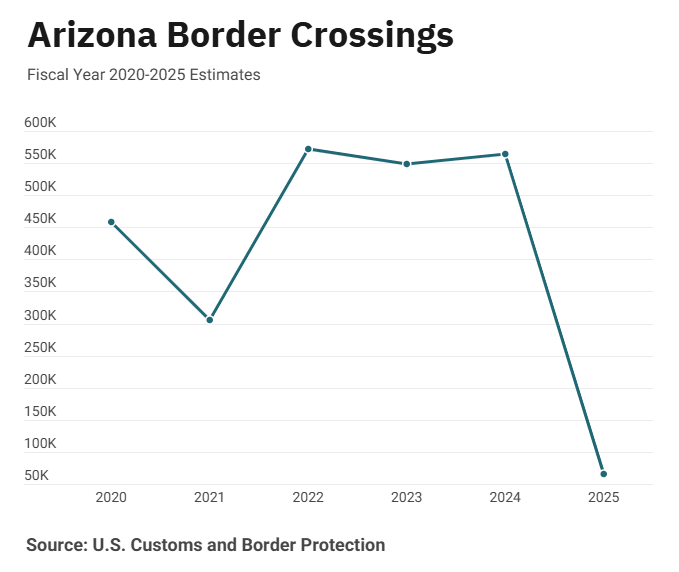


Comments
No comments on this item Please log in to comment by clicking here